KS2 Maths Worksheets: Years 3 to 6
Key Stage 2 covers Years 3 to 6, ages 7 to 11. The sheets below are grouped by the written methods taught in each year, so you can find practice that matches what a child is learning now.
Each sheet makes new questions and an answer page, and prints on A4. For the full year-by-year list of National Curriculum topics, use Curriculum maths.
Year 3
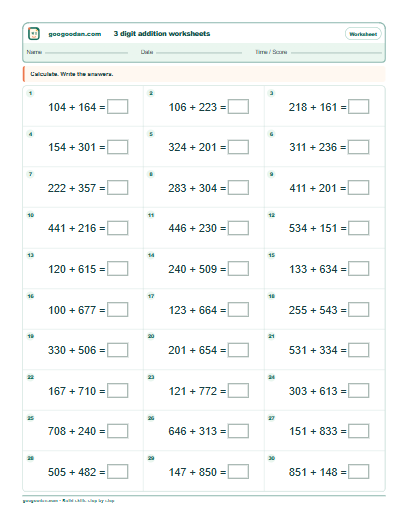
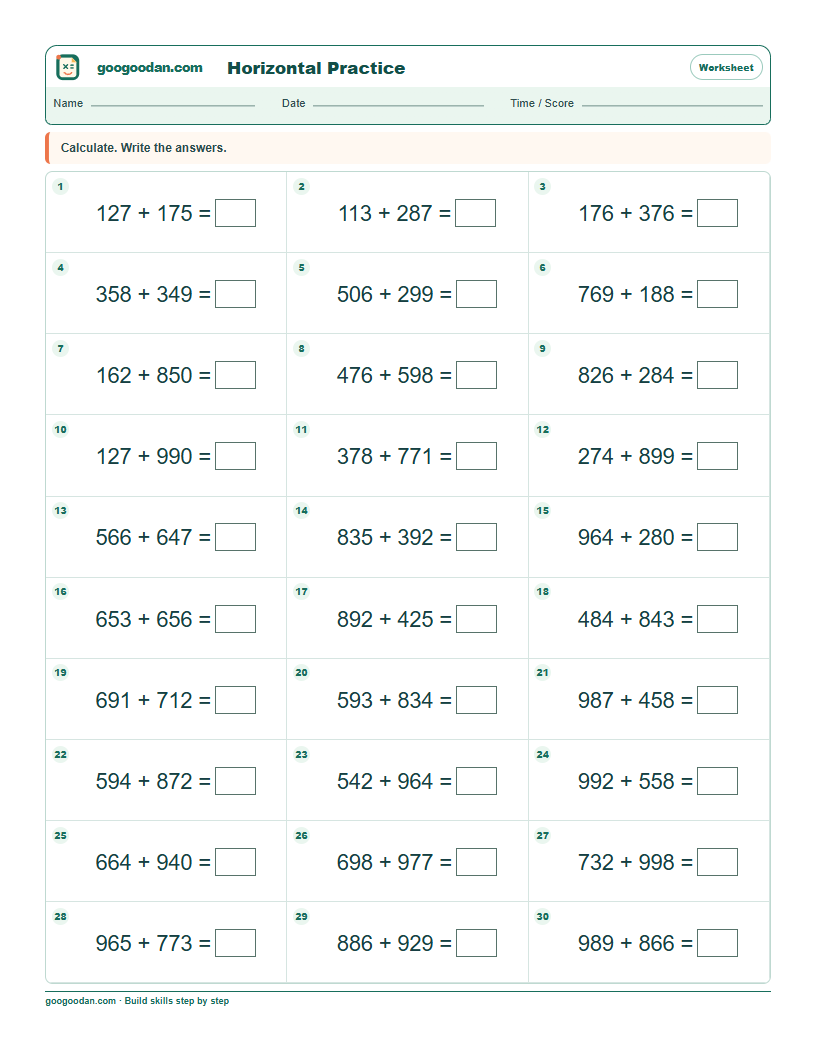
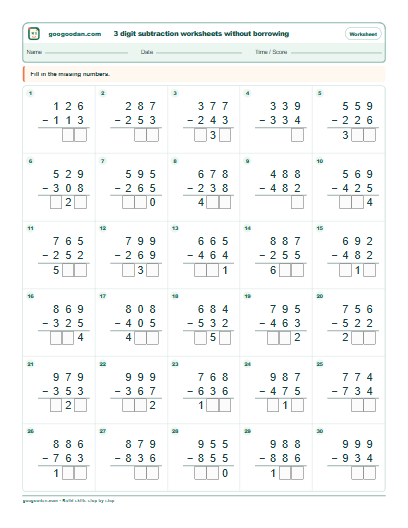
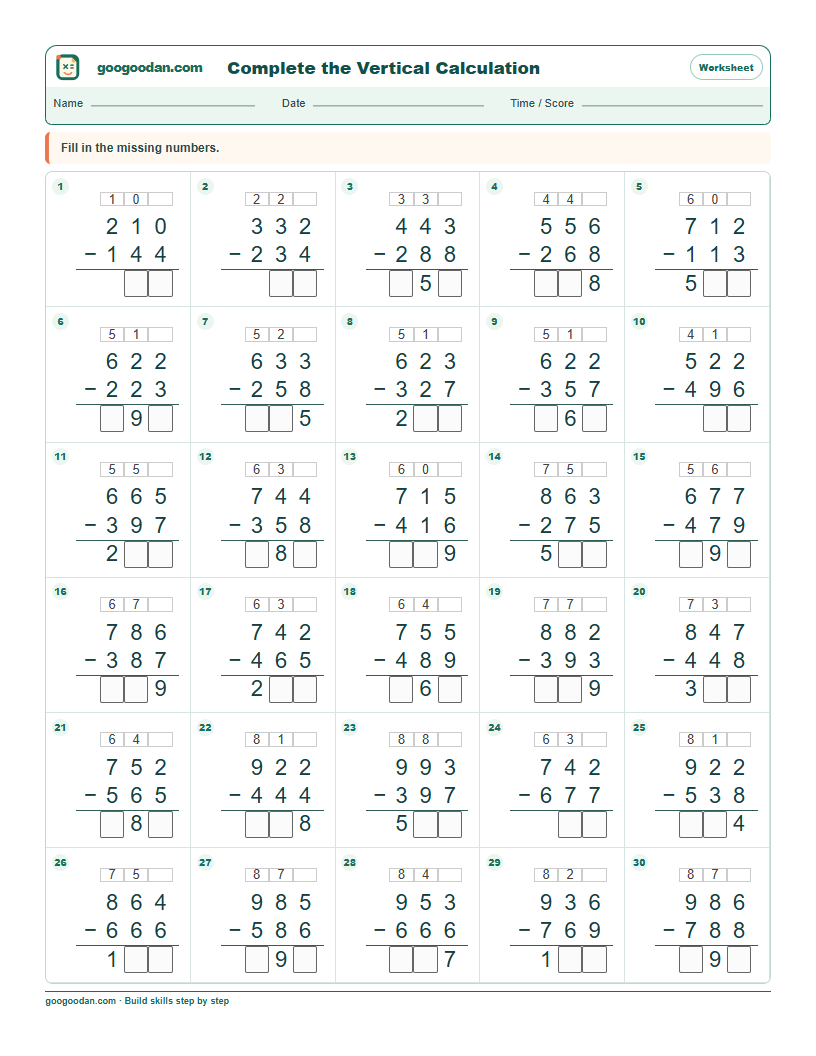
Three-digit addition and subtraction
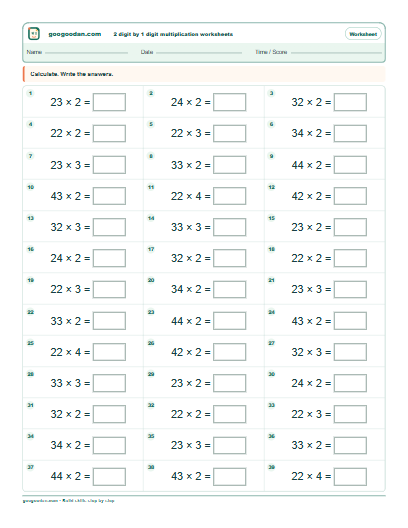
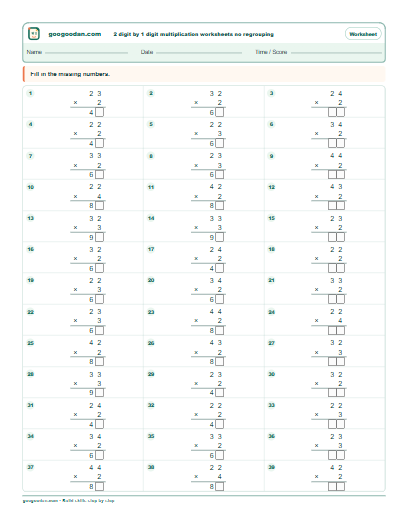
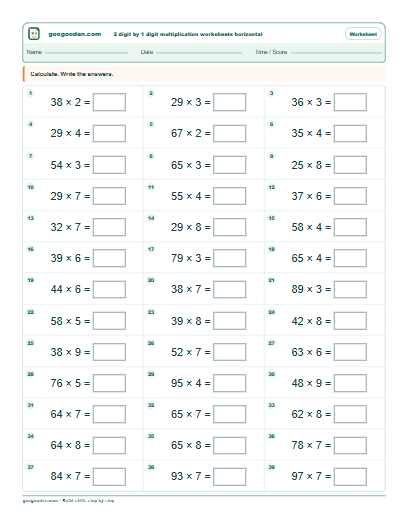
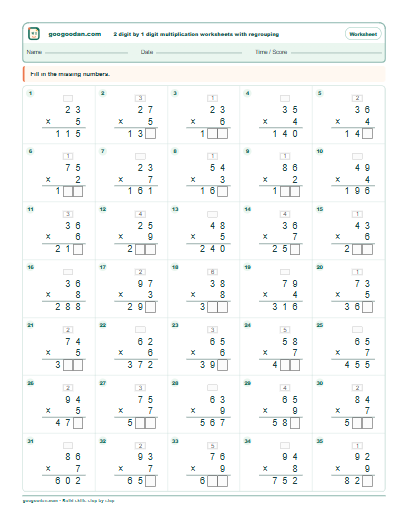
Two digits multiplied by one digit
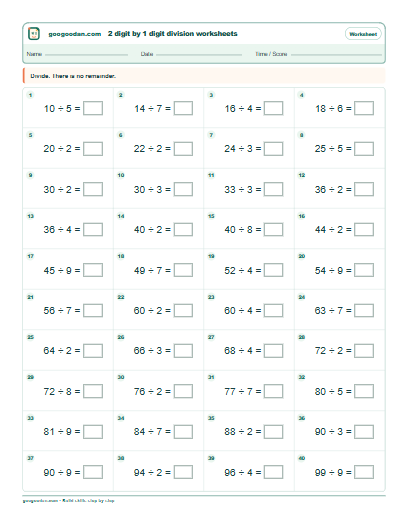
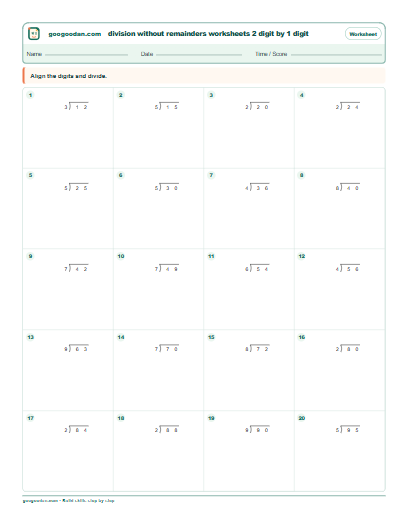
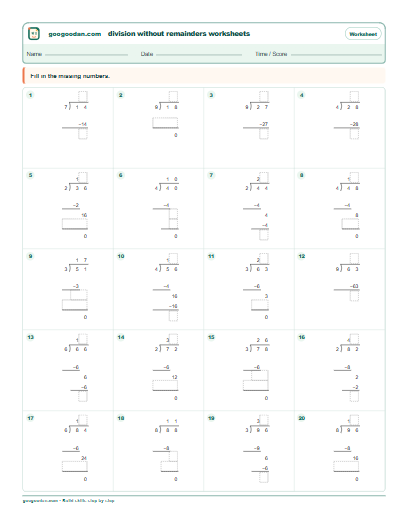
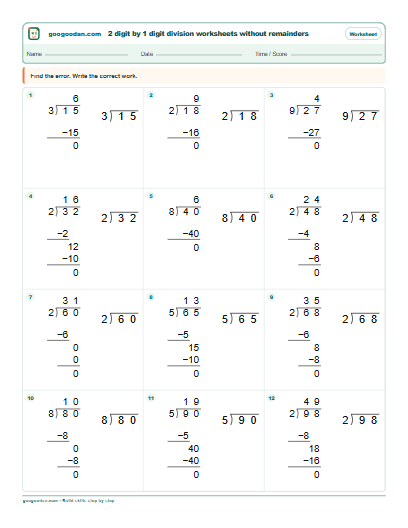
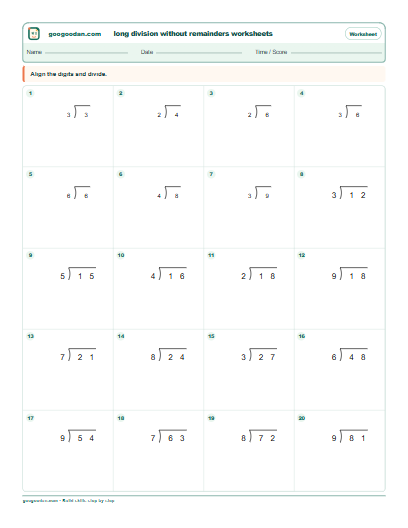
Two-digit exact division
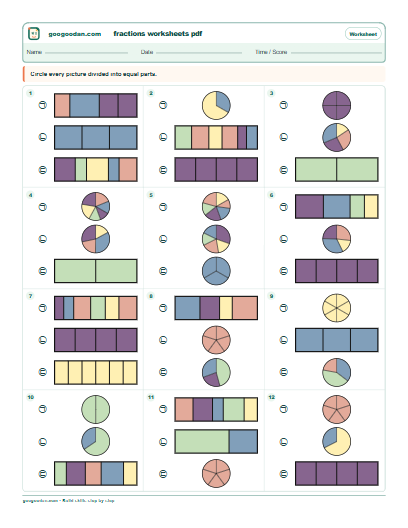
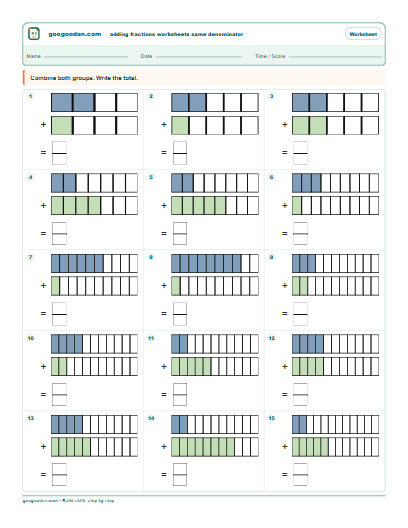
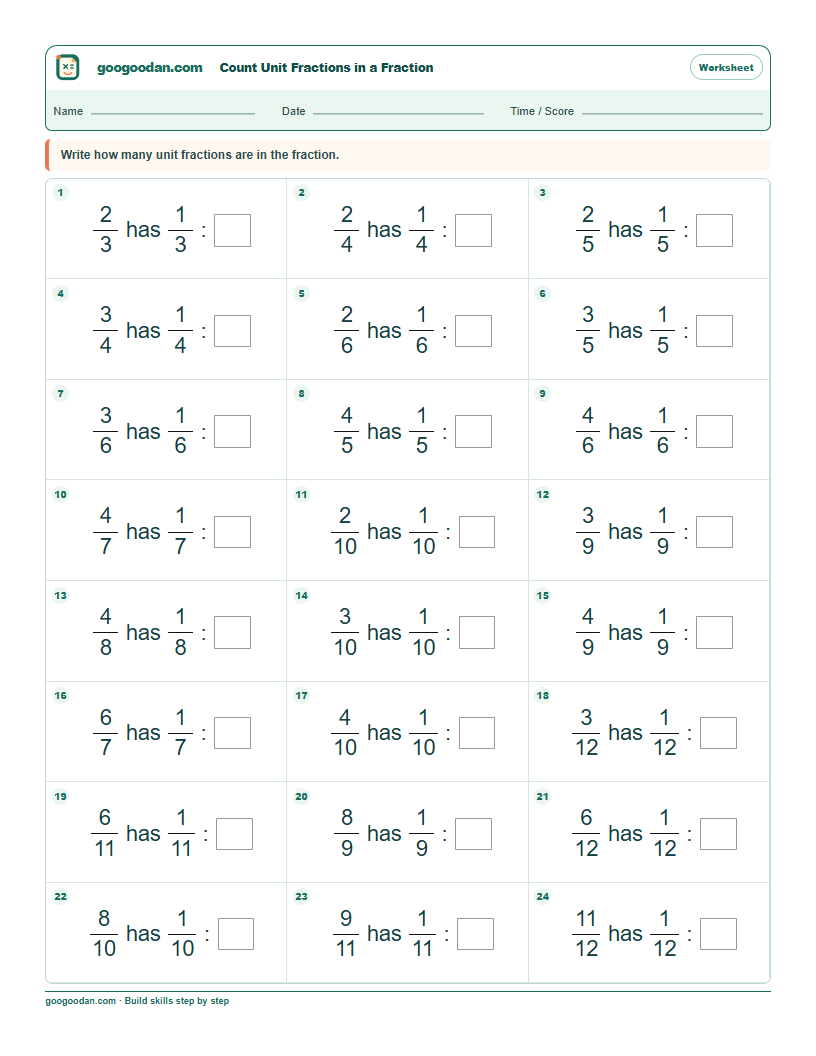
Fractions with the same denominator
3, 4 and 8 times tables
Practise the facts on the times tables worksheets page.
Year 4
Four-digit addition and subtraction
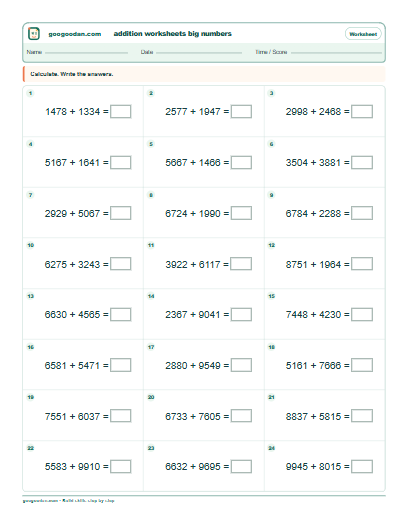
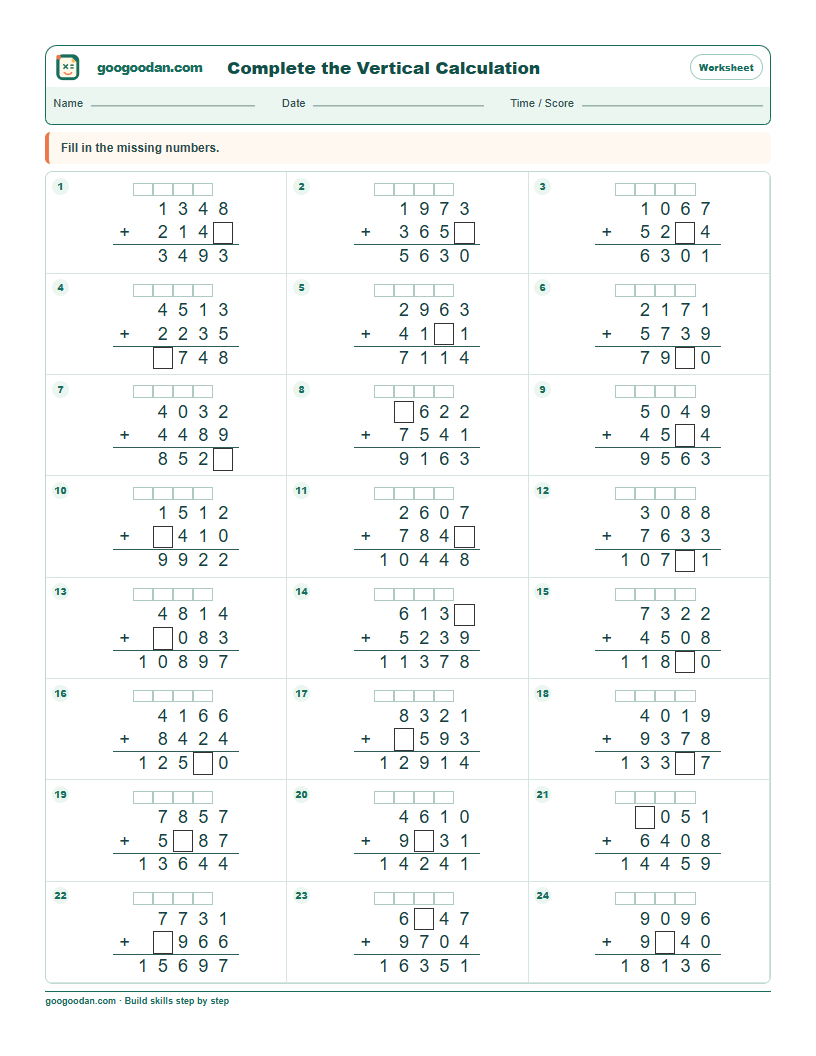
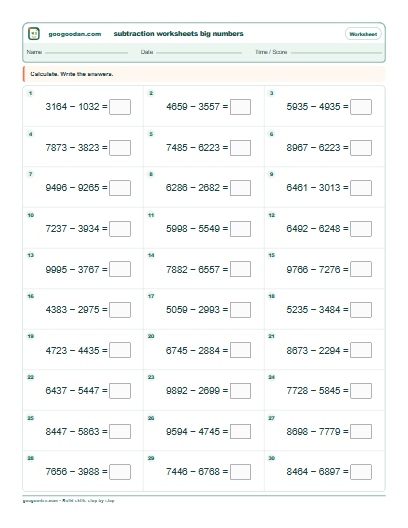
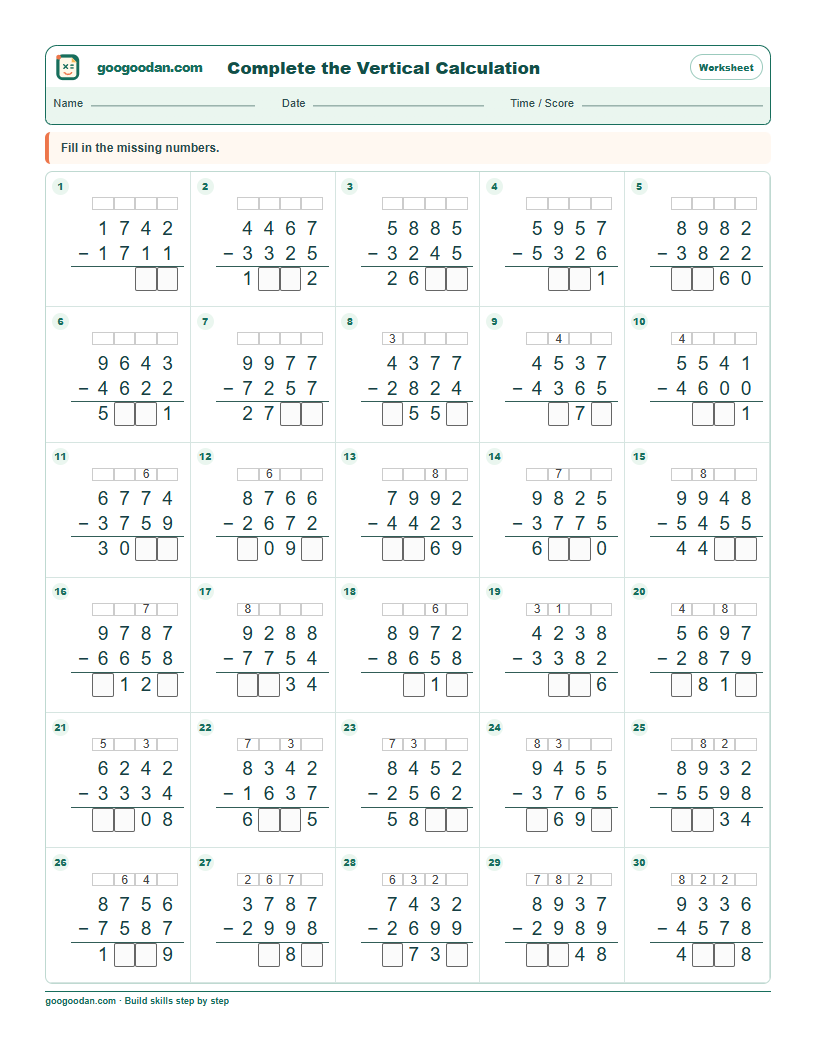
Three digits multiplied by one digit
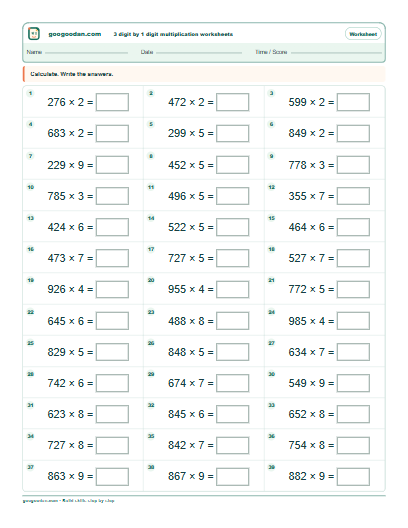
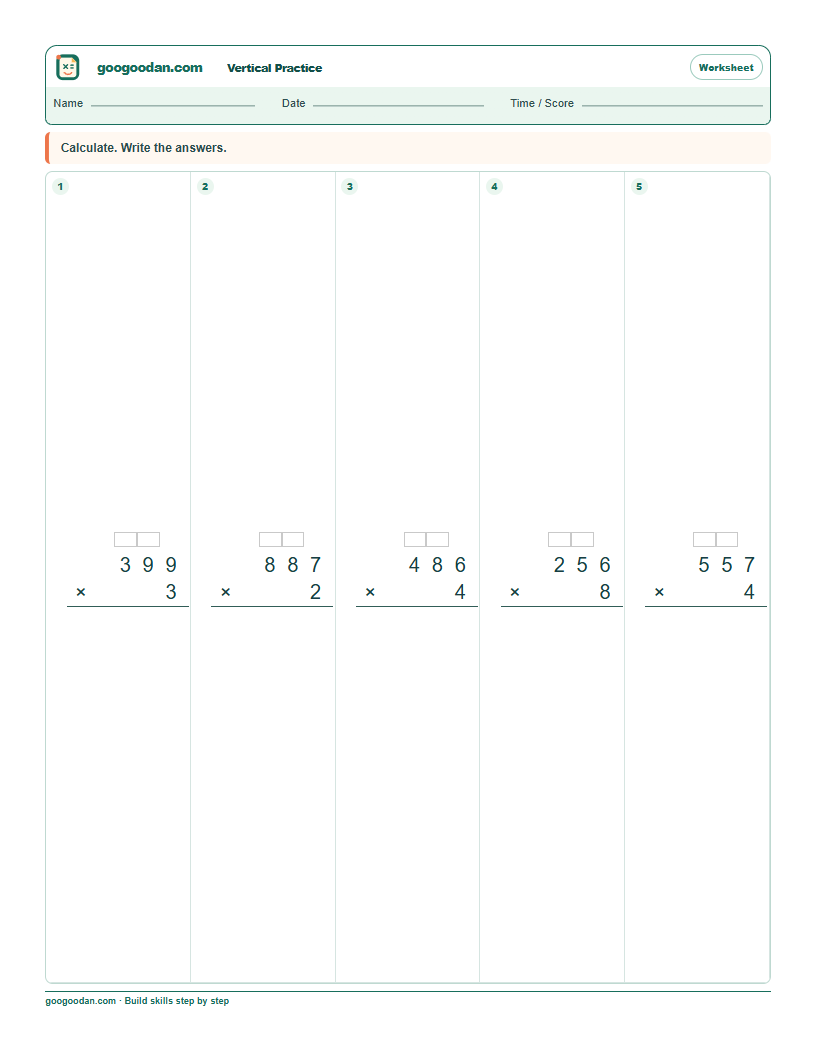
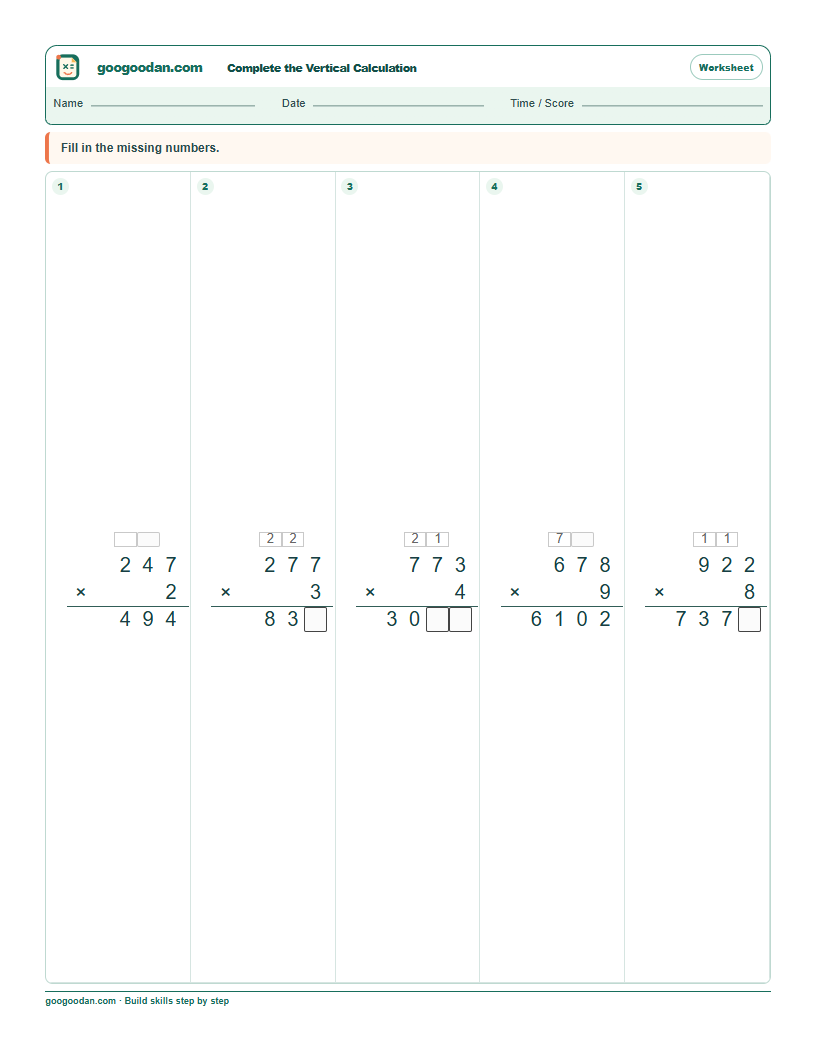
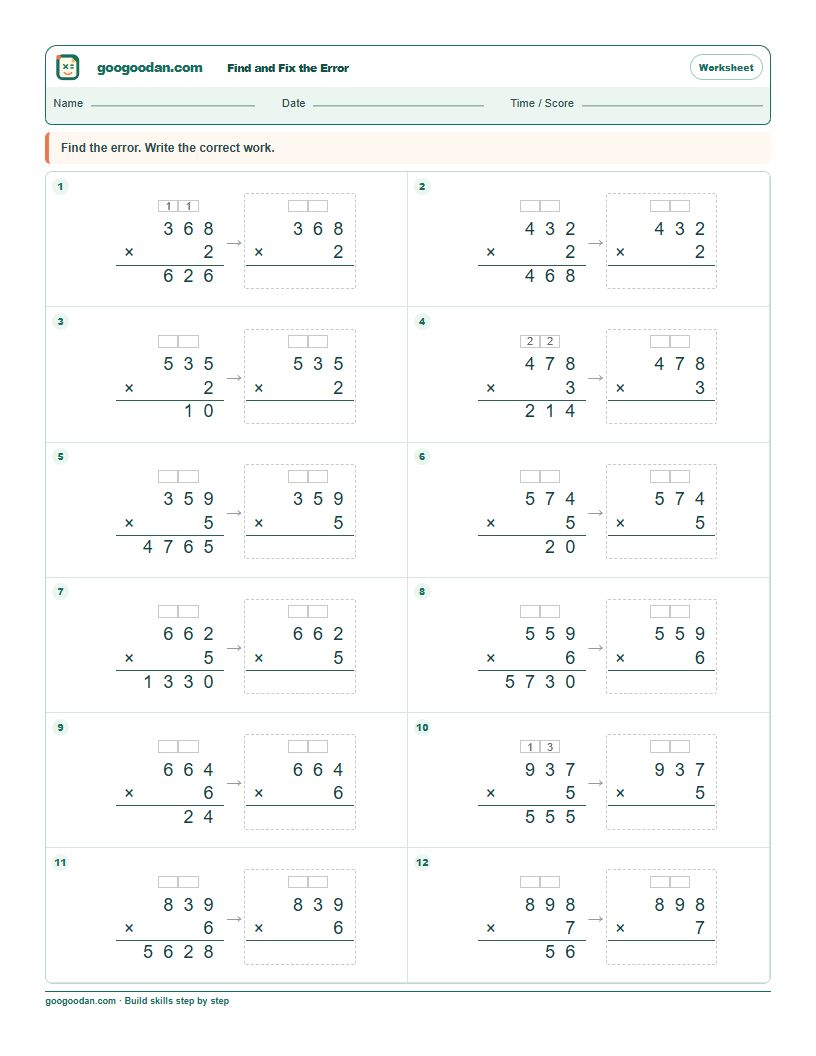
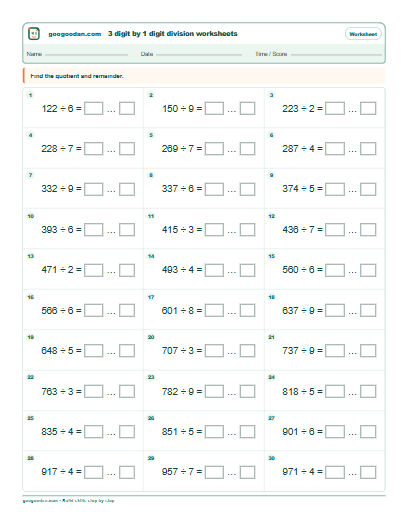
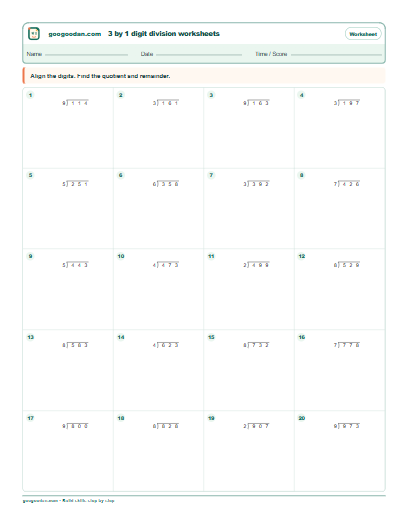
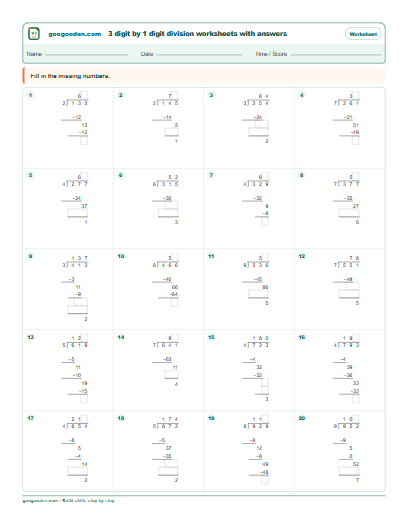
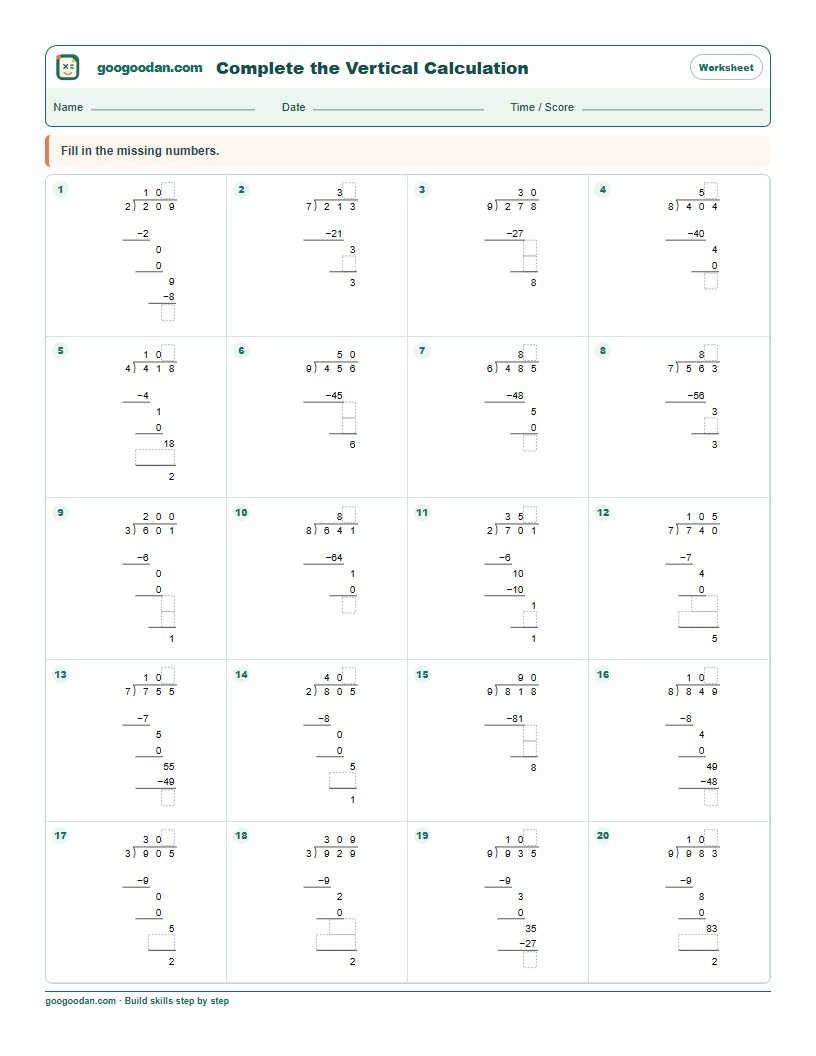
Three-digit division
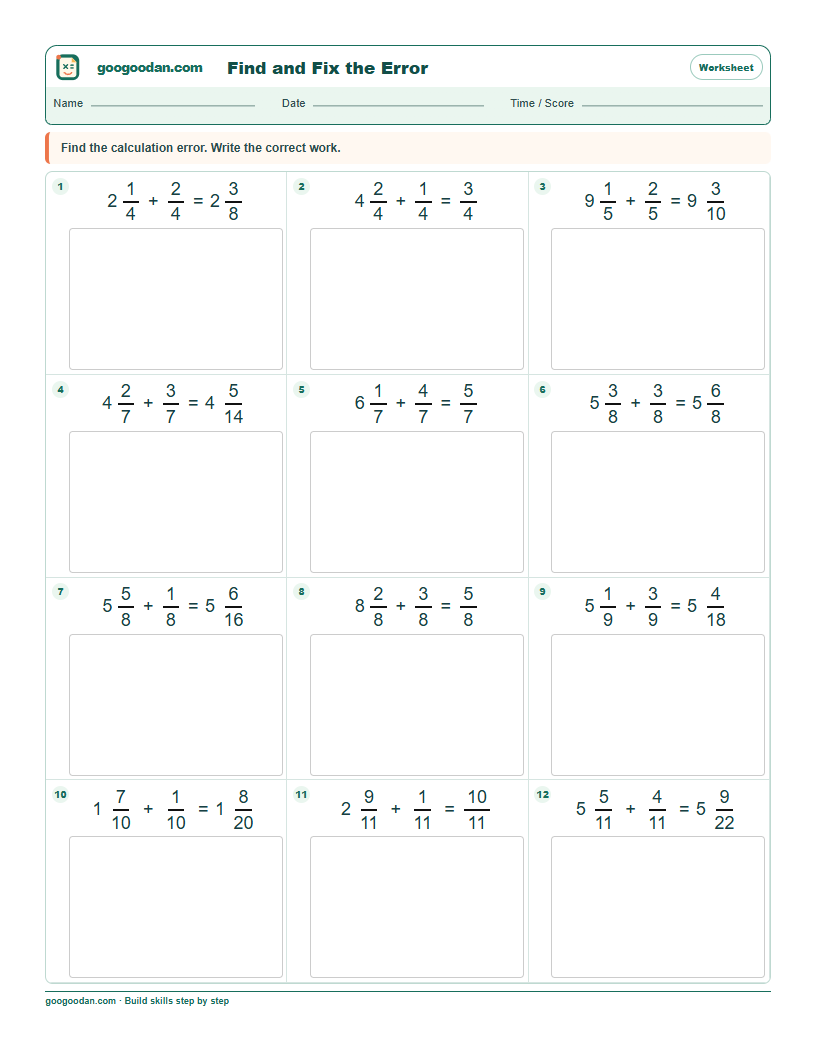
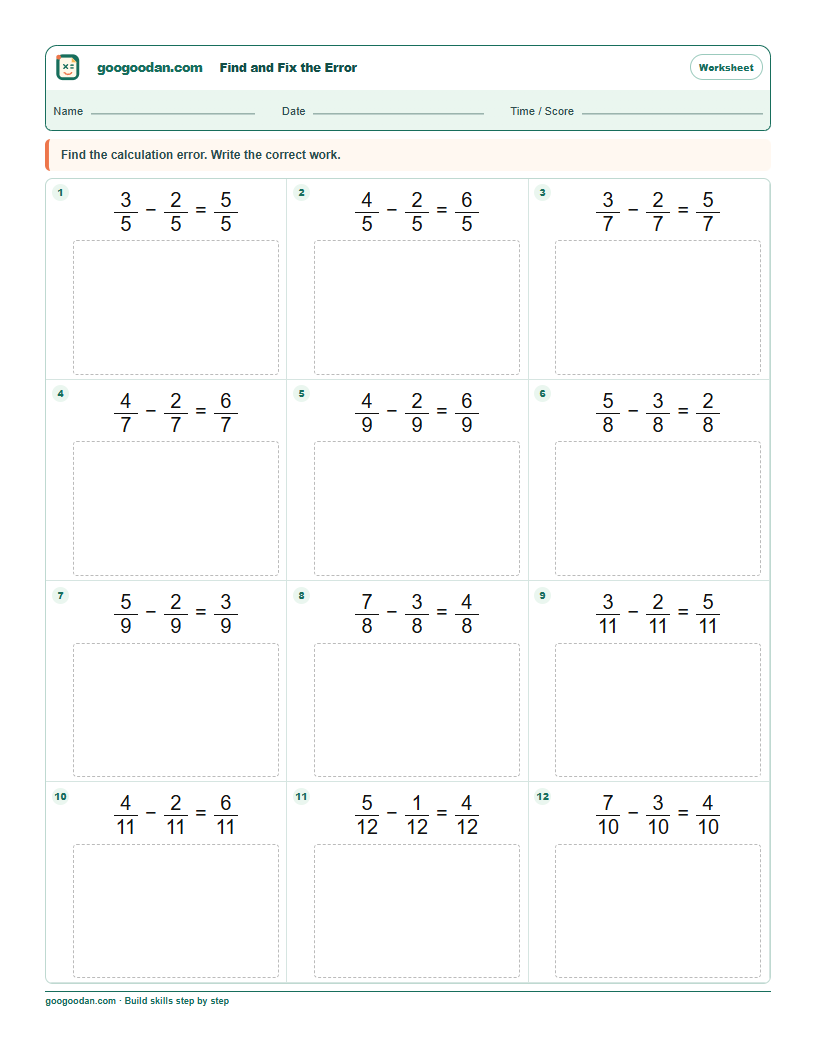
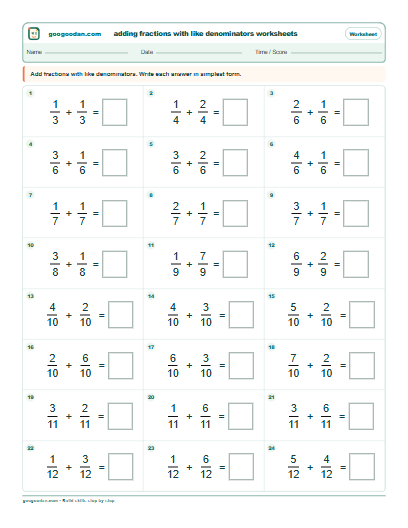
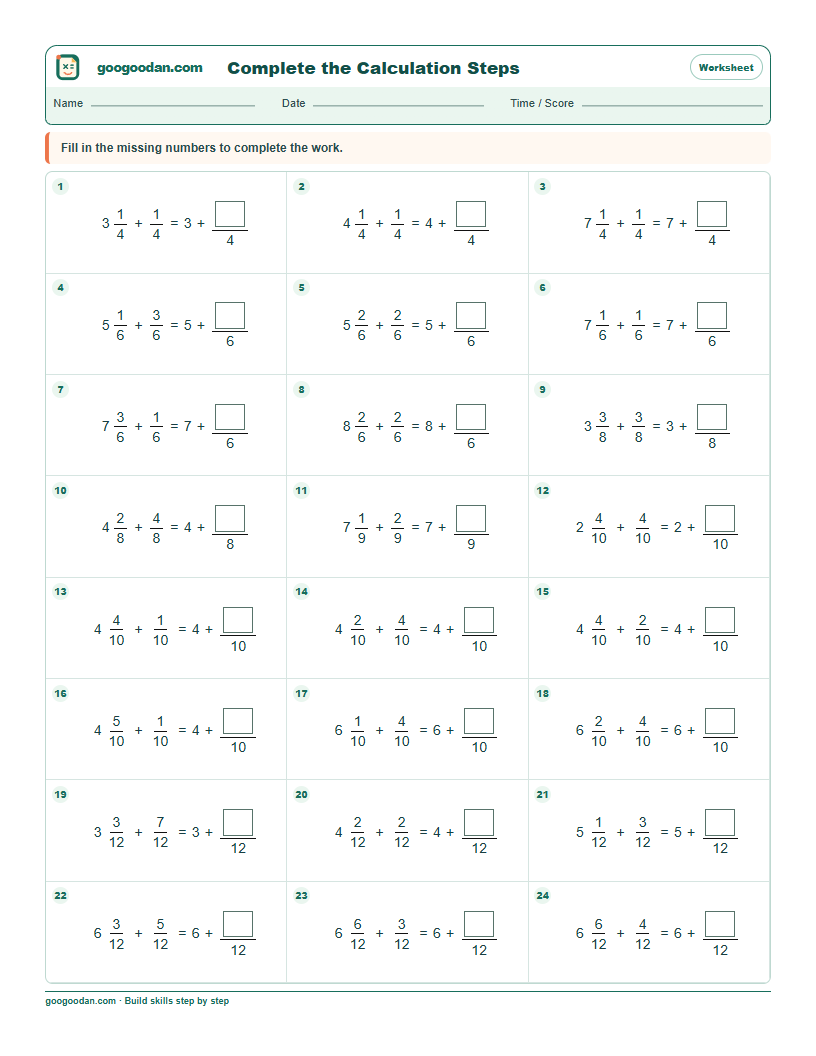
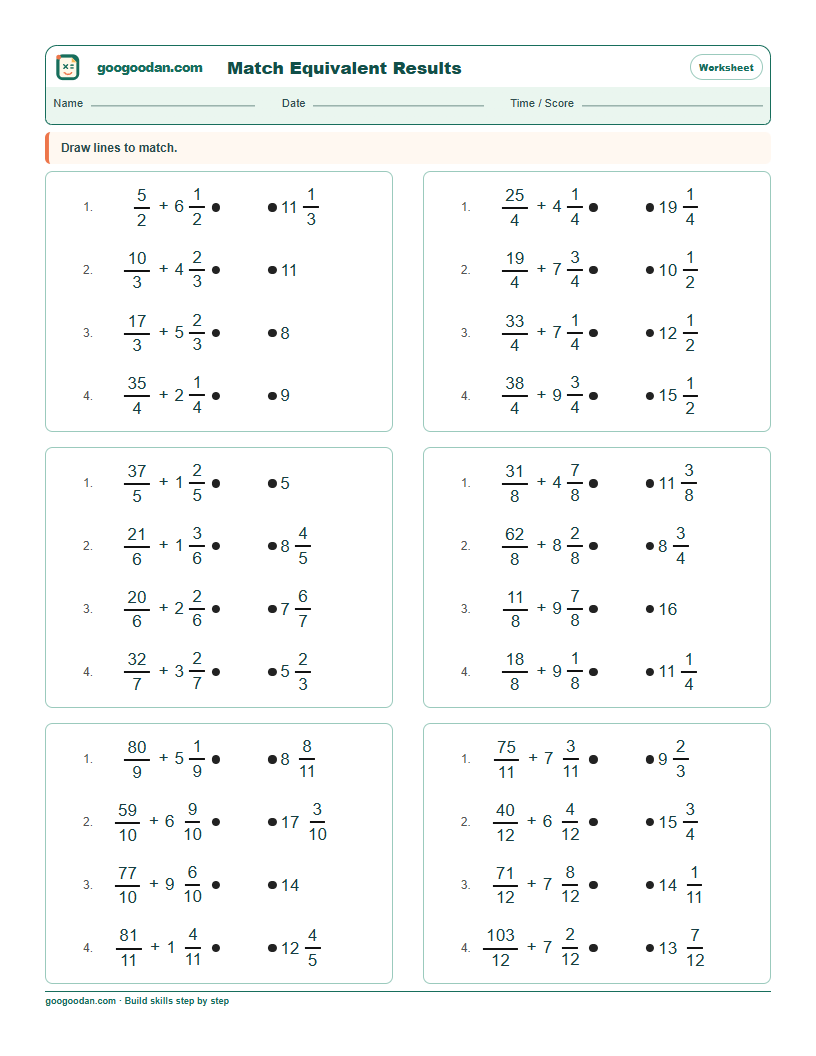
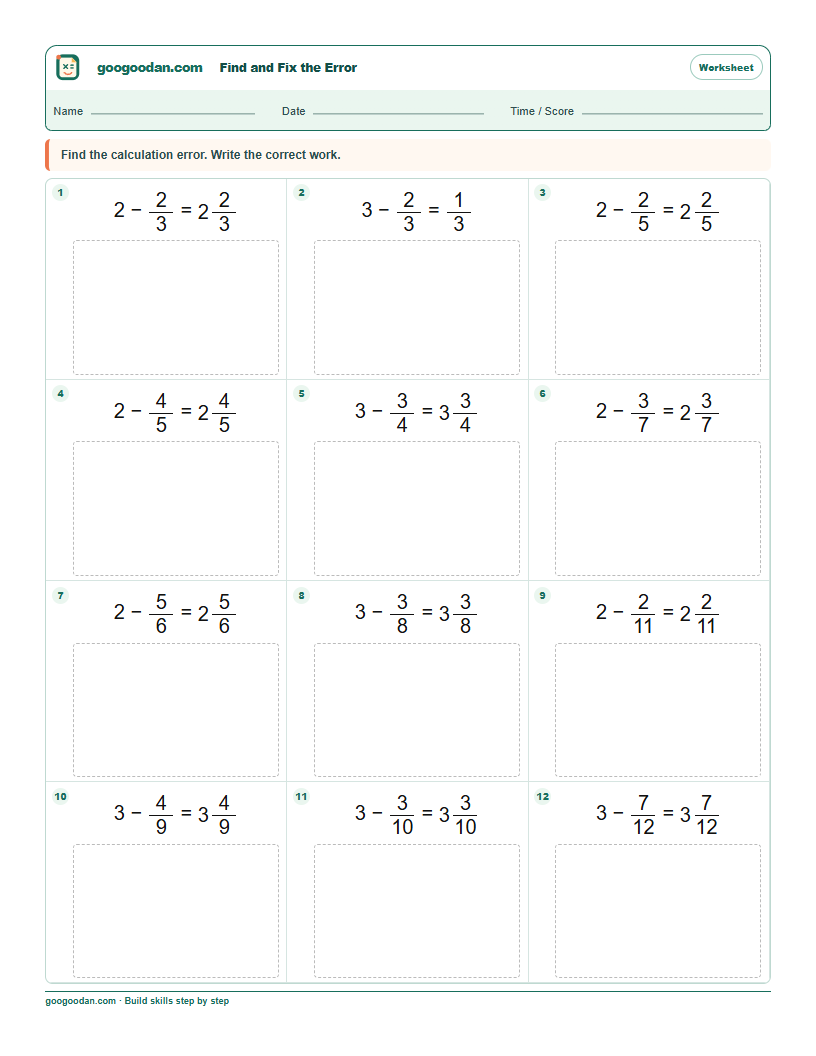
Adding and subtracting fractions with the same denominator
Times tables up to 12 × 12
Practise the facts on the times tables worksheets page.
Year 5
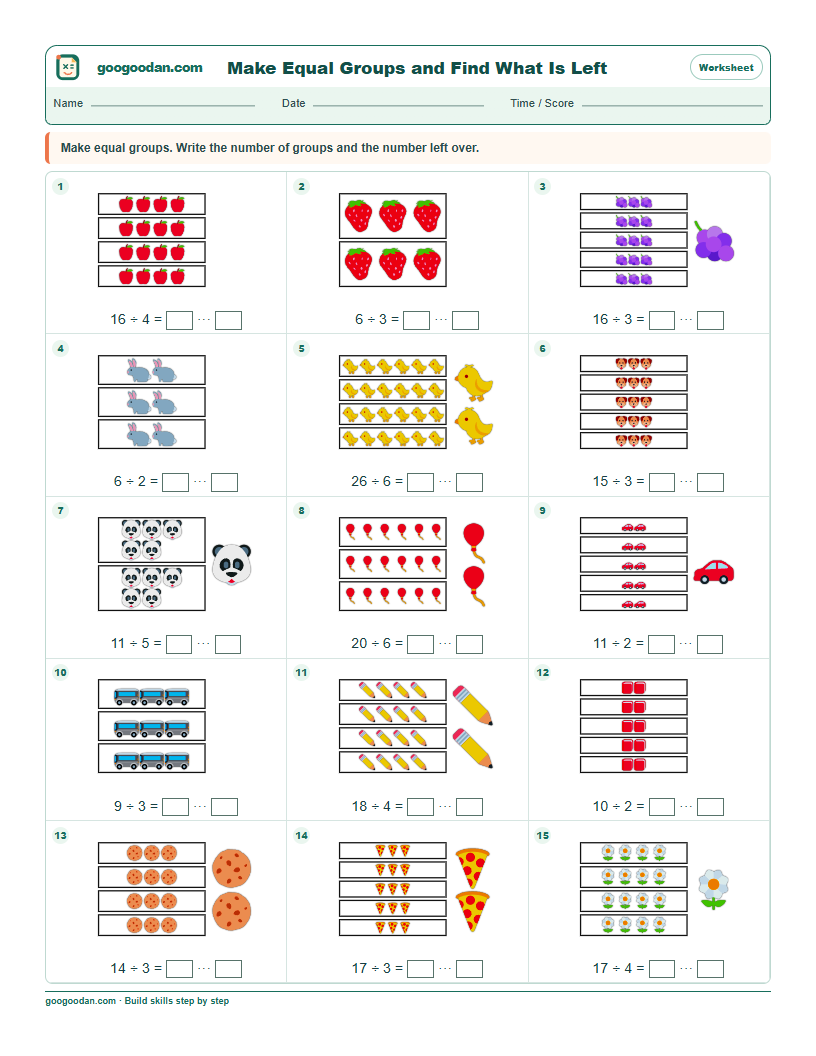
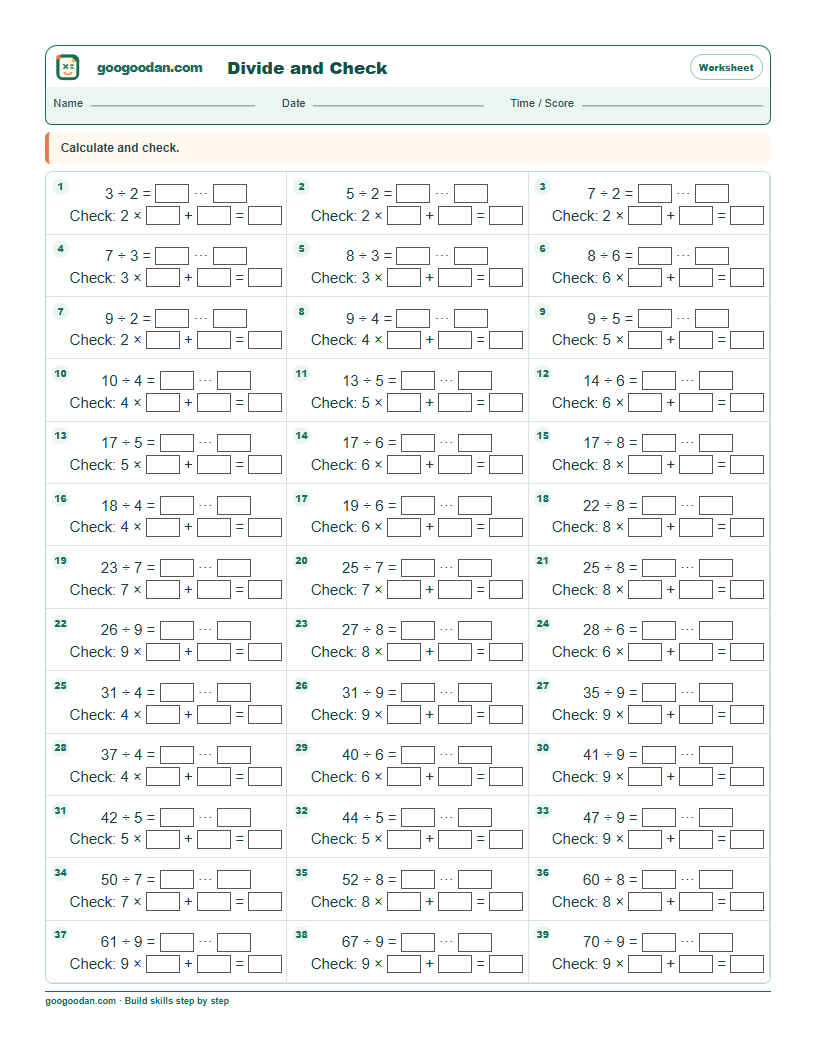
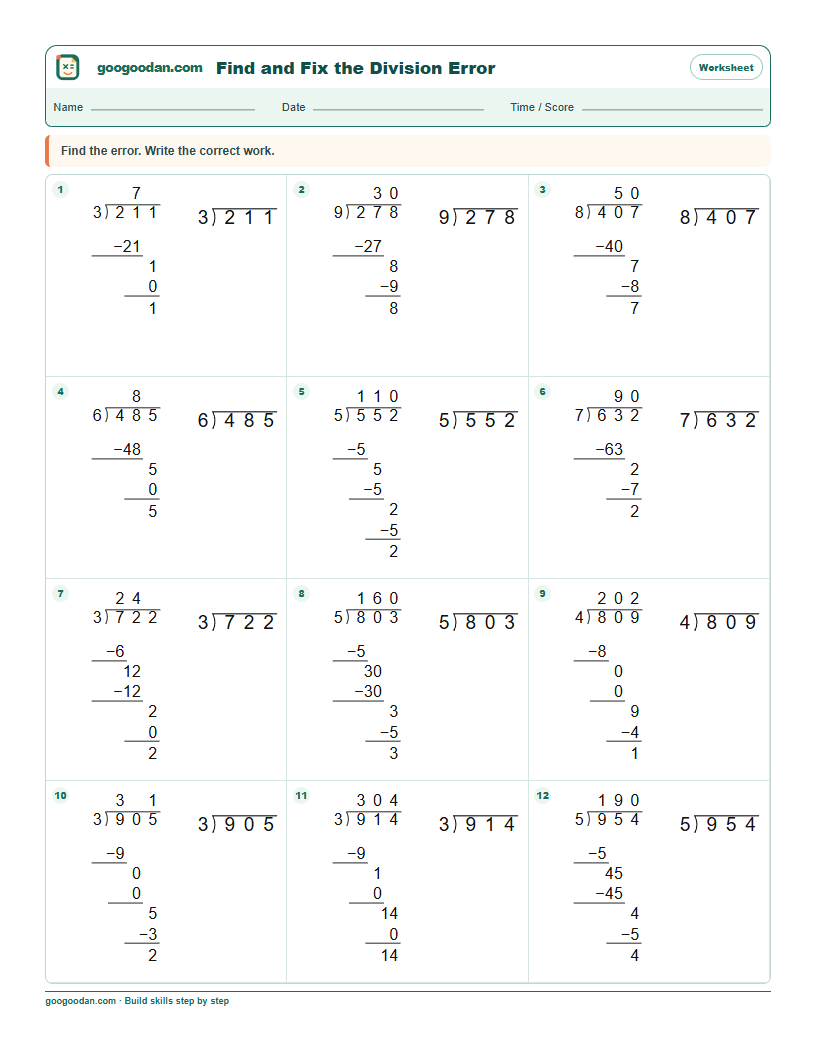
Short division with remainders
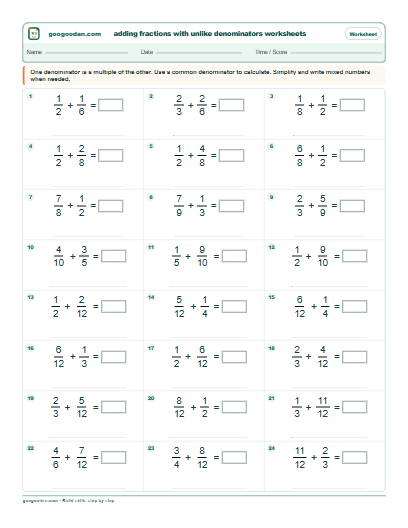
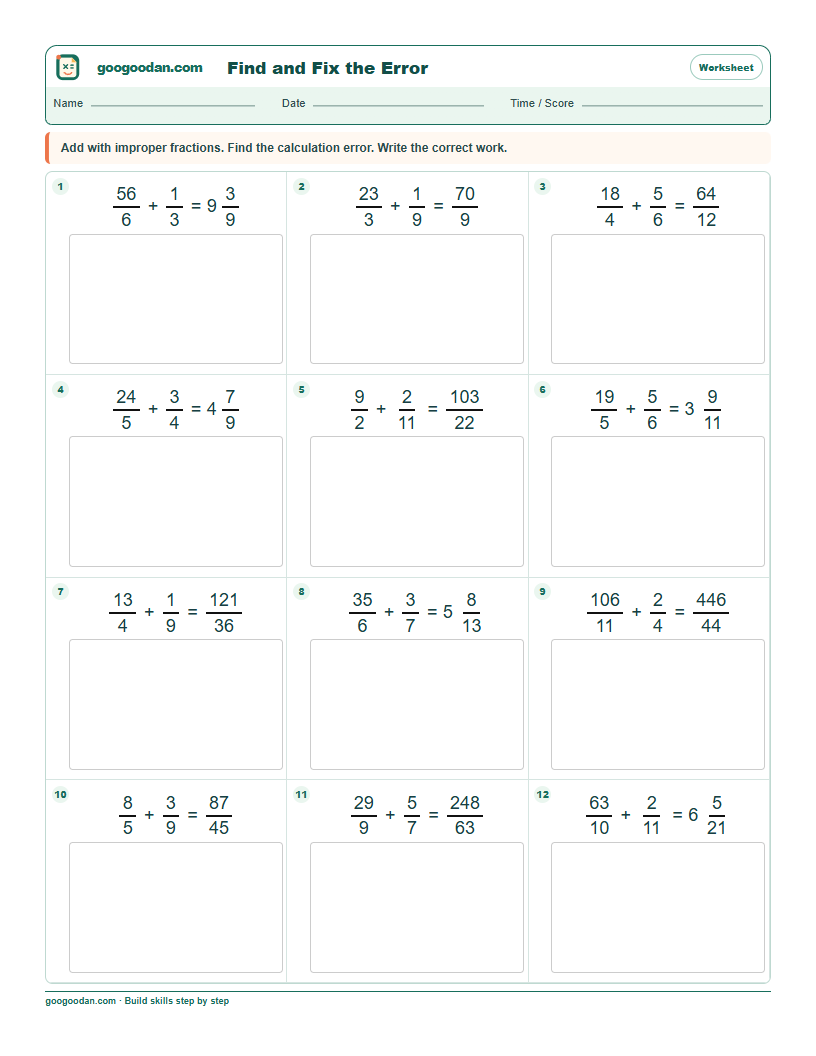
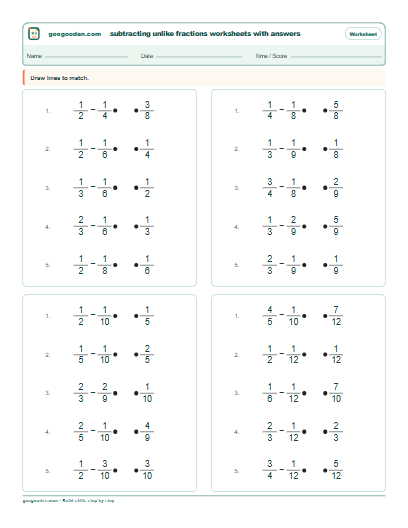
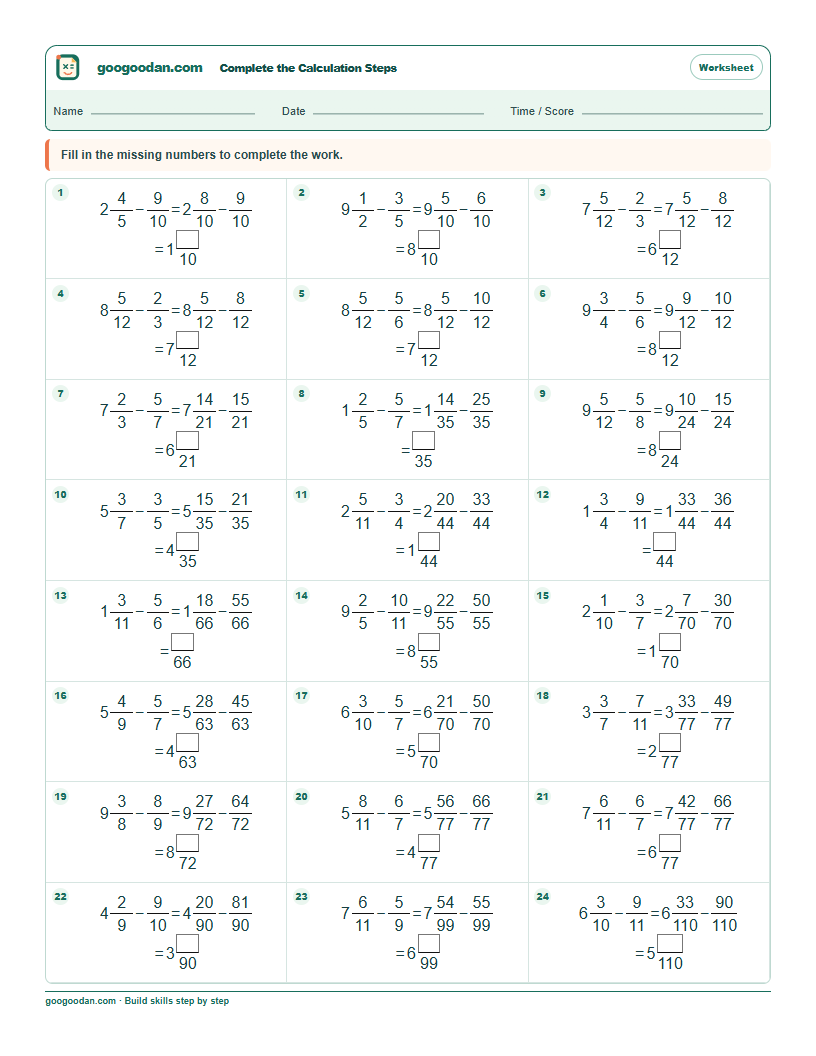
Fractions with related and different denominators
Adding and subtracting decimals
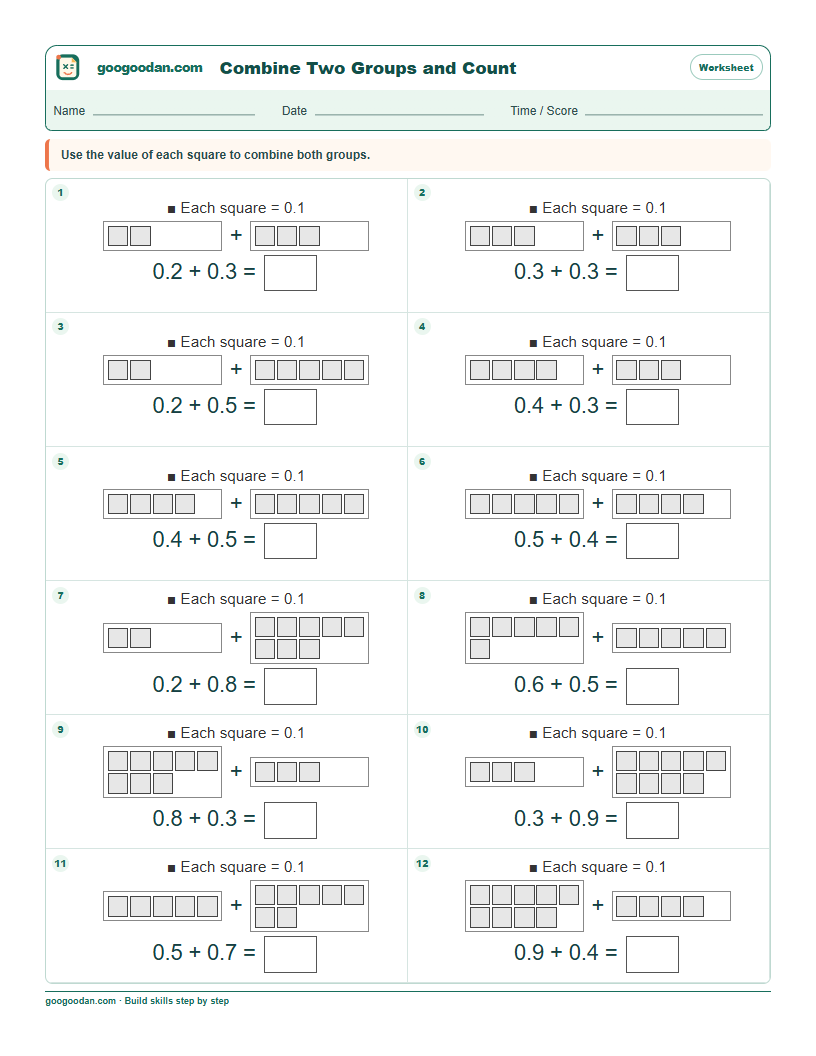
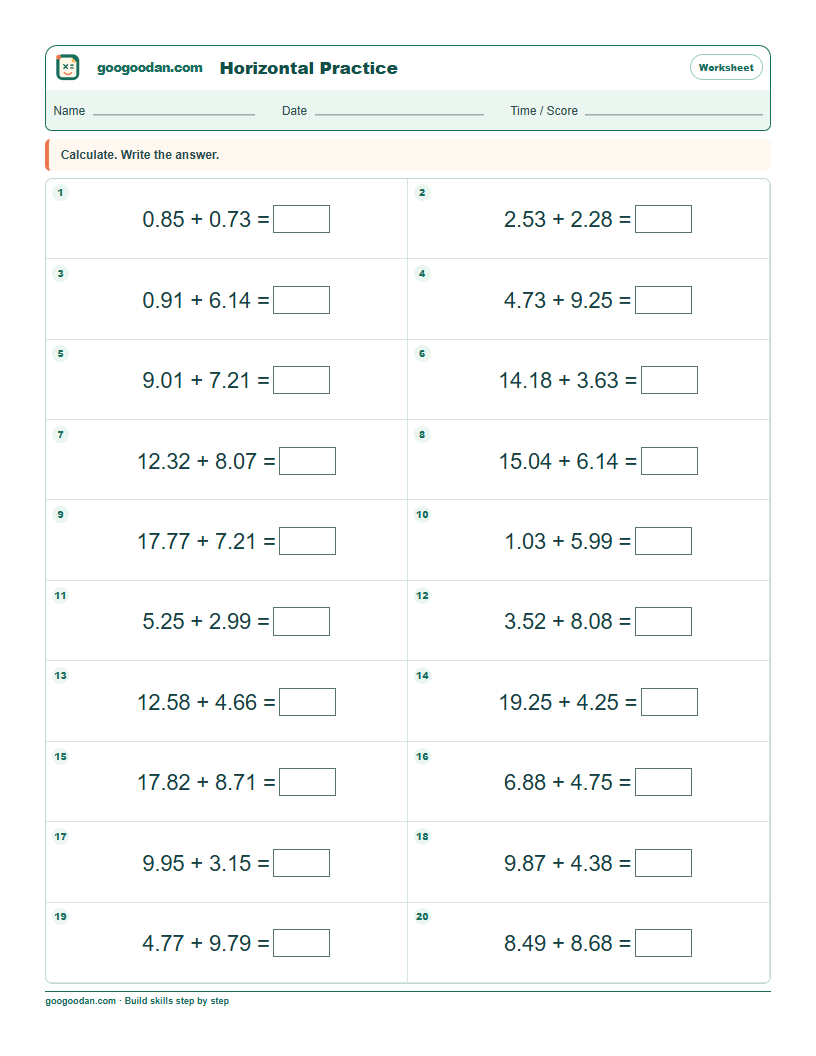
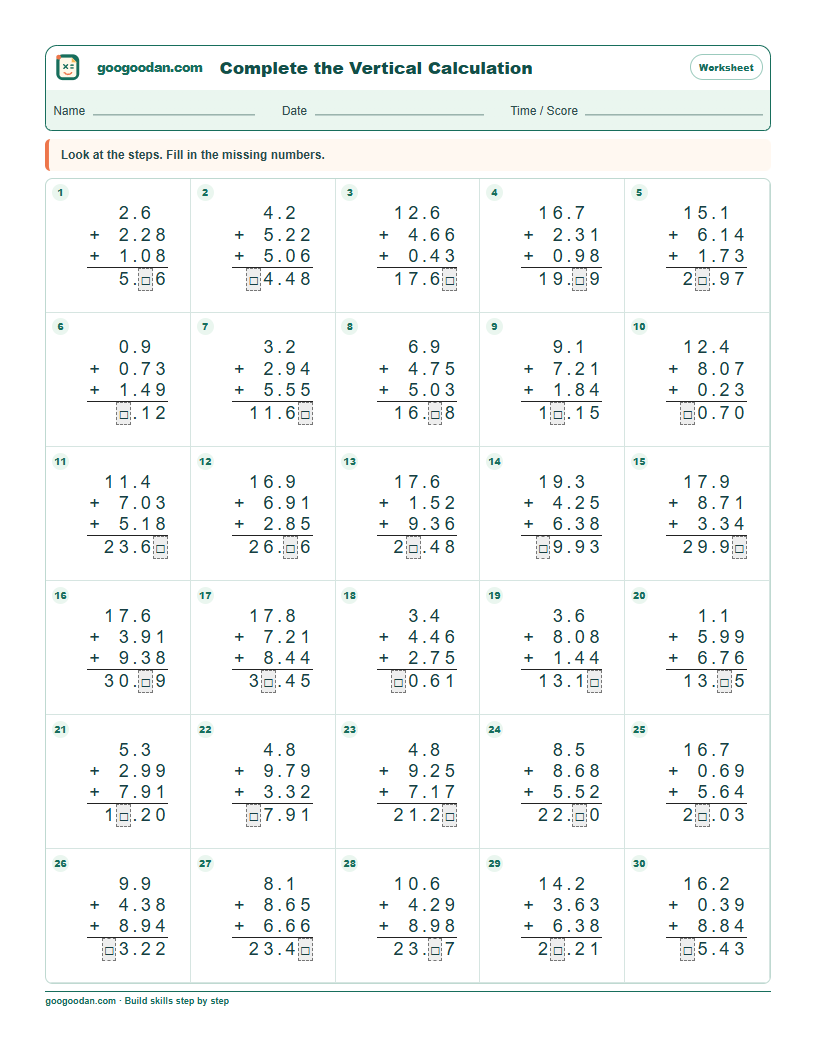
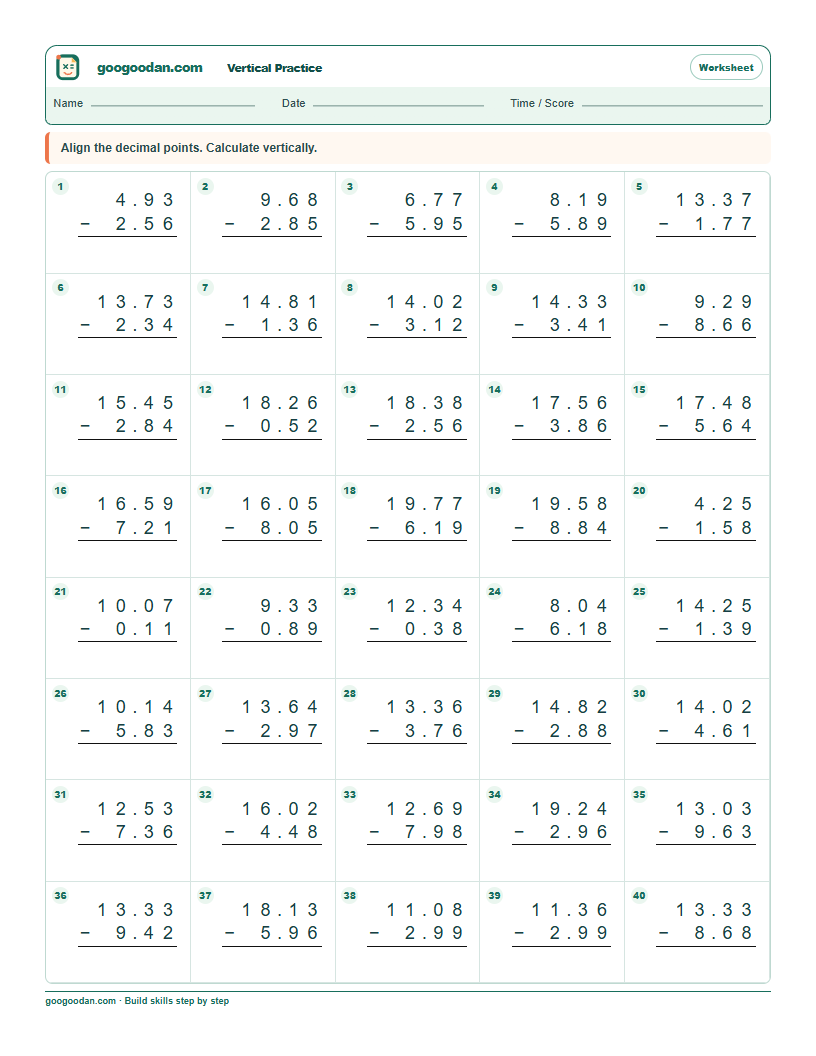
Year 6
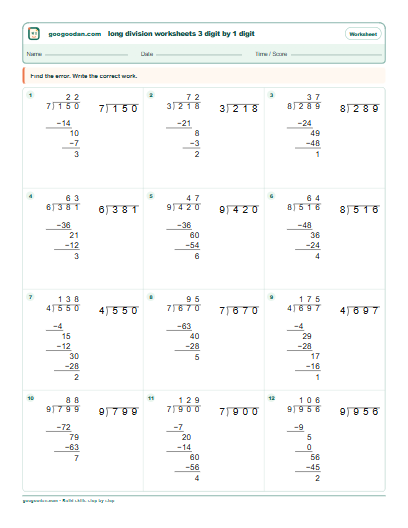
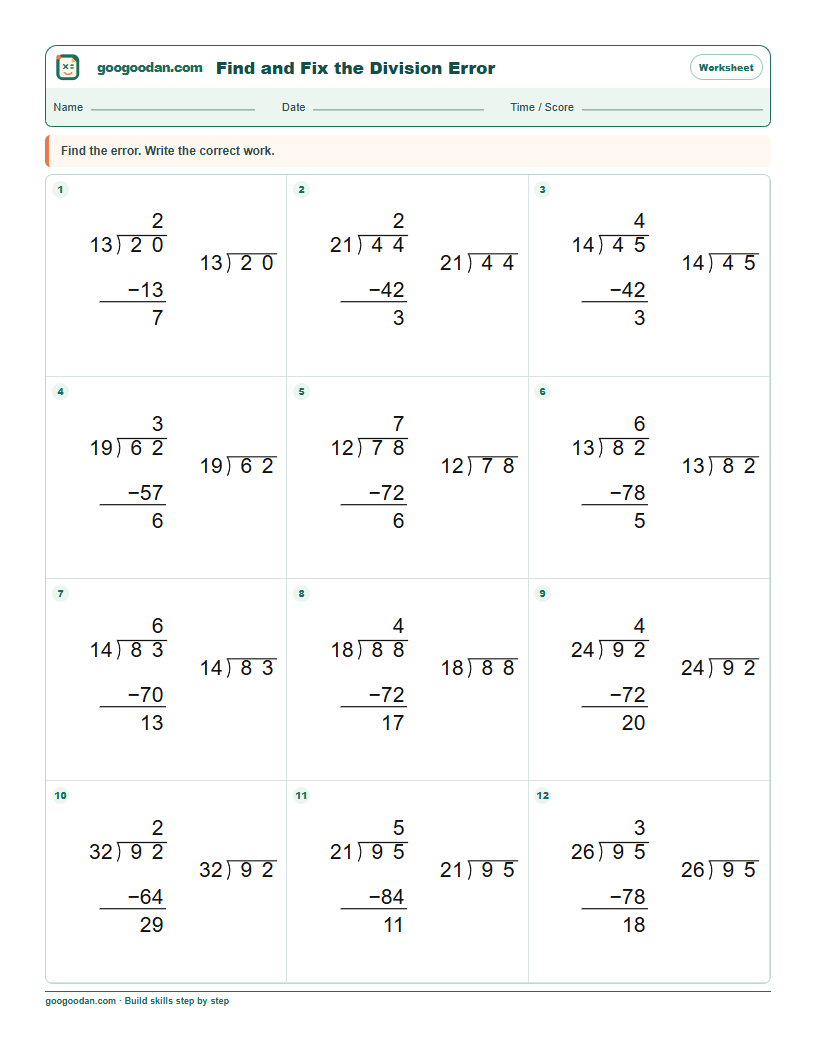
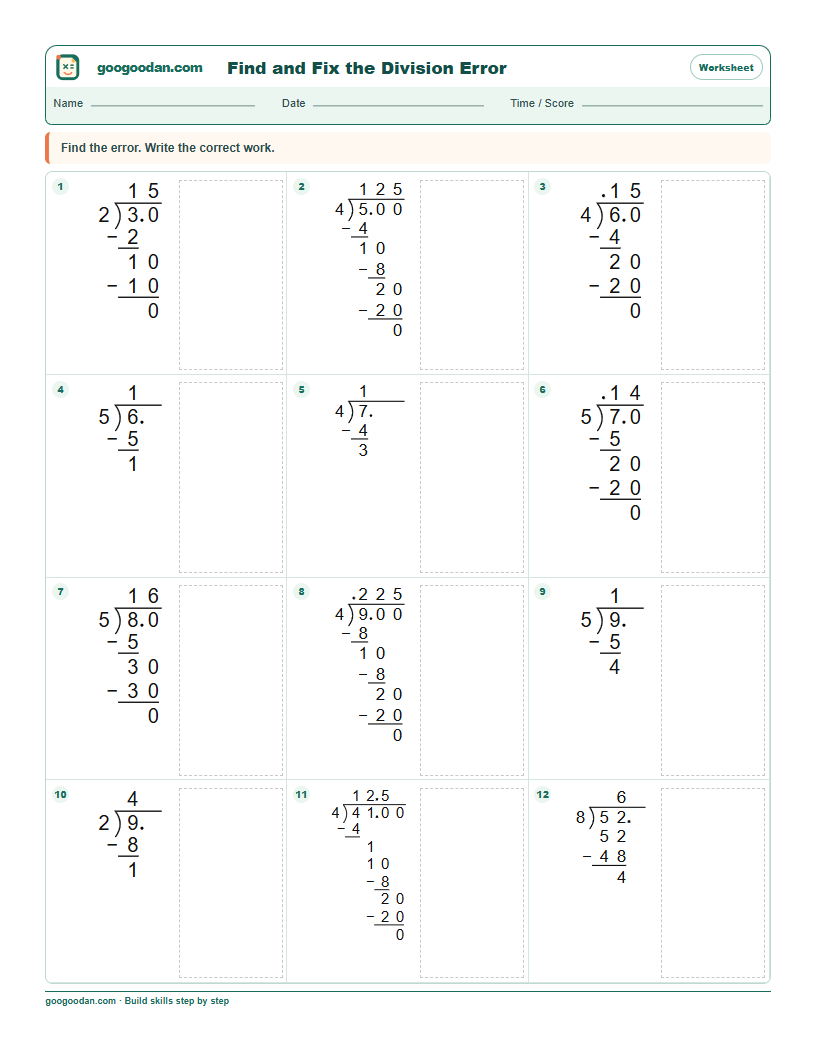
Long division
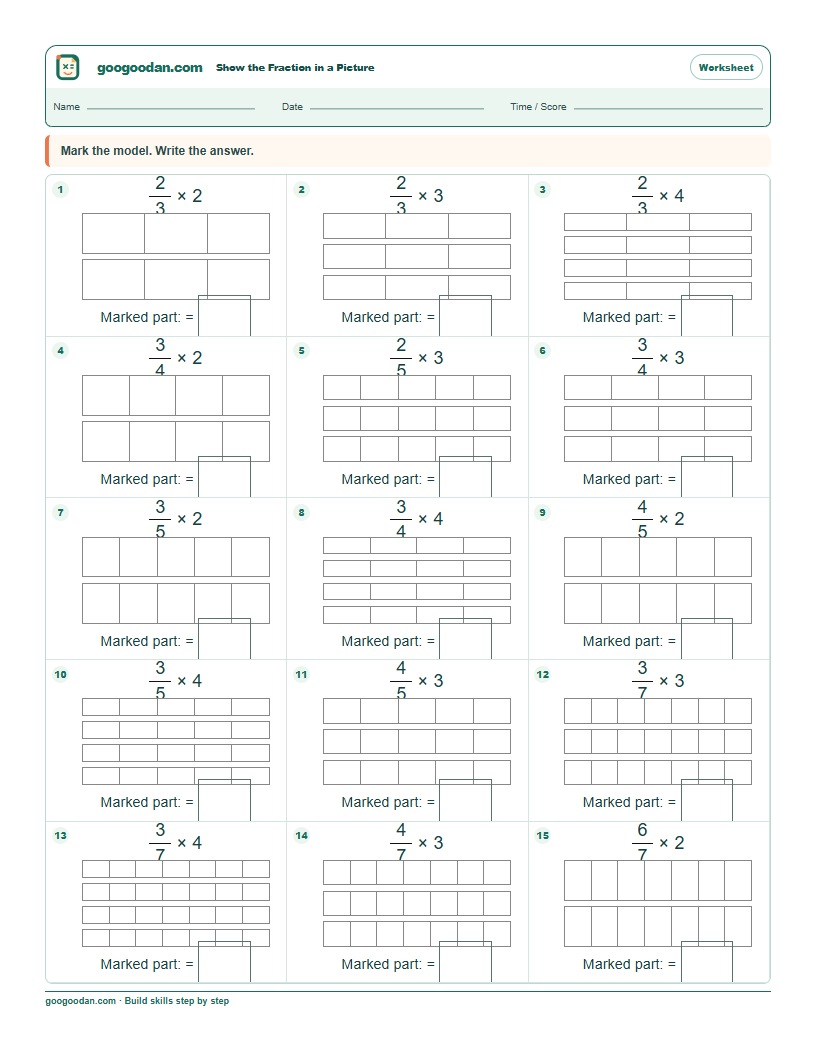
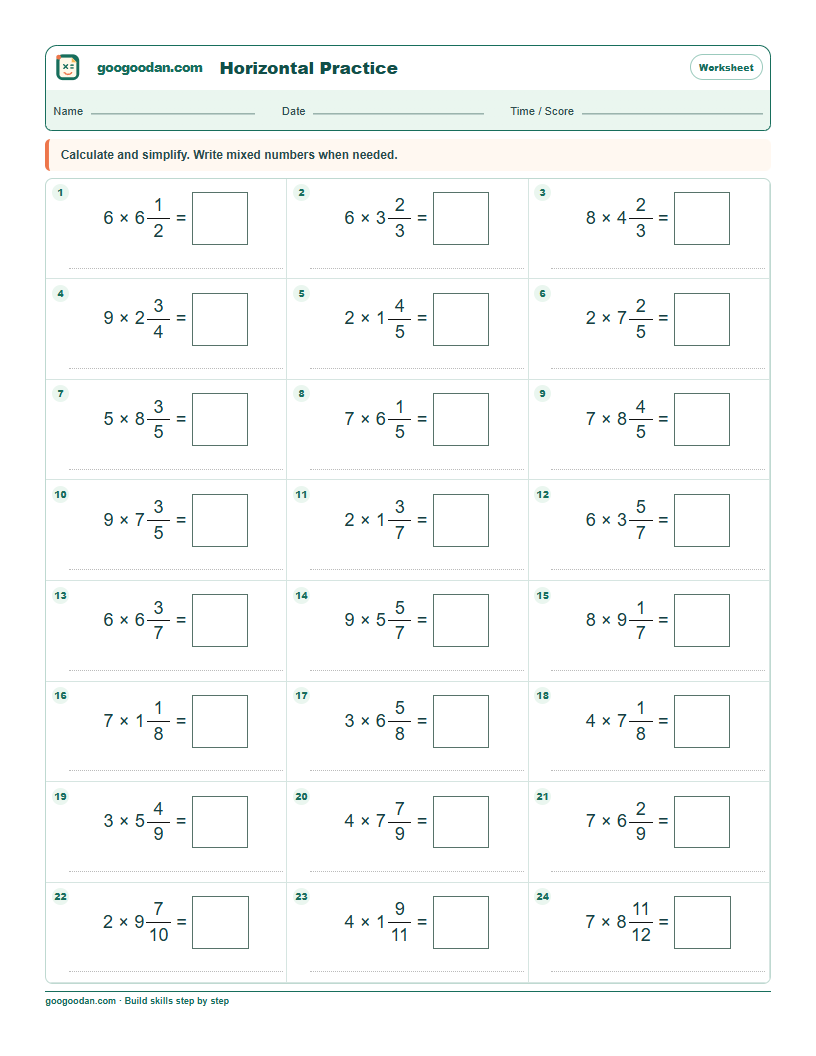
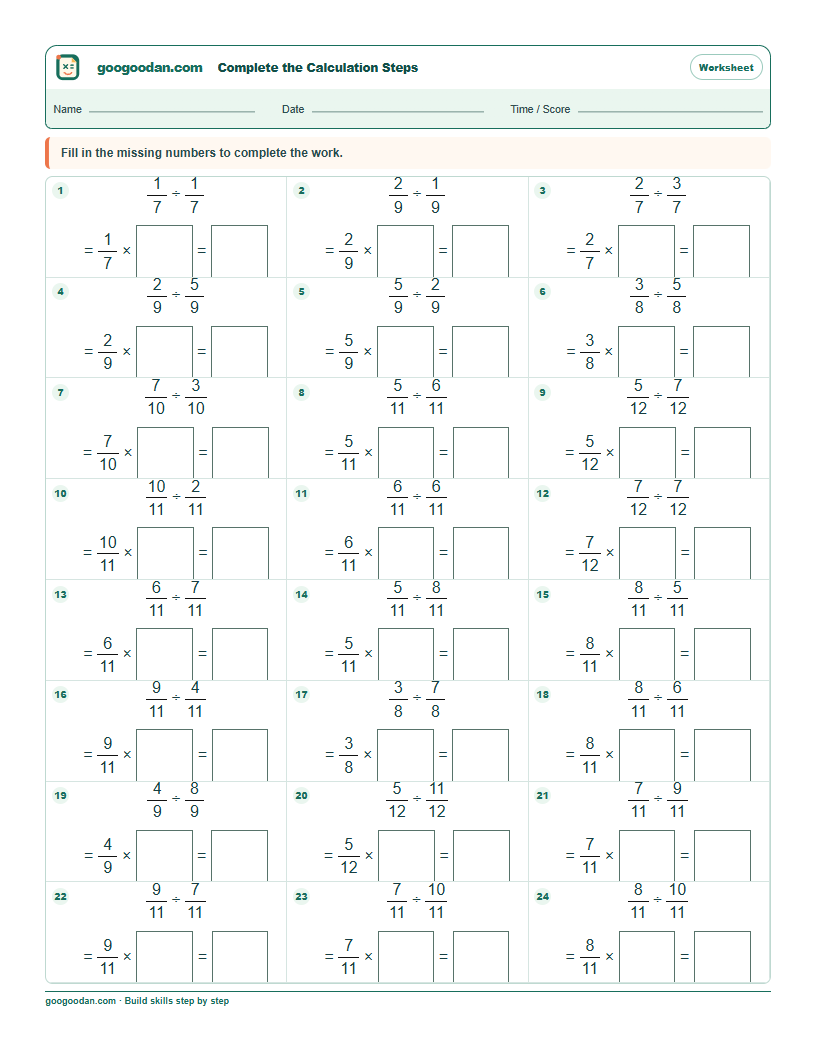
Multiplying and dividing fractions
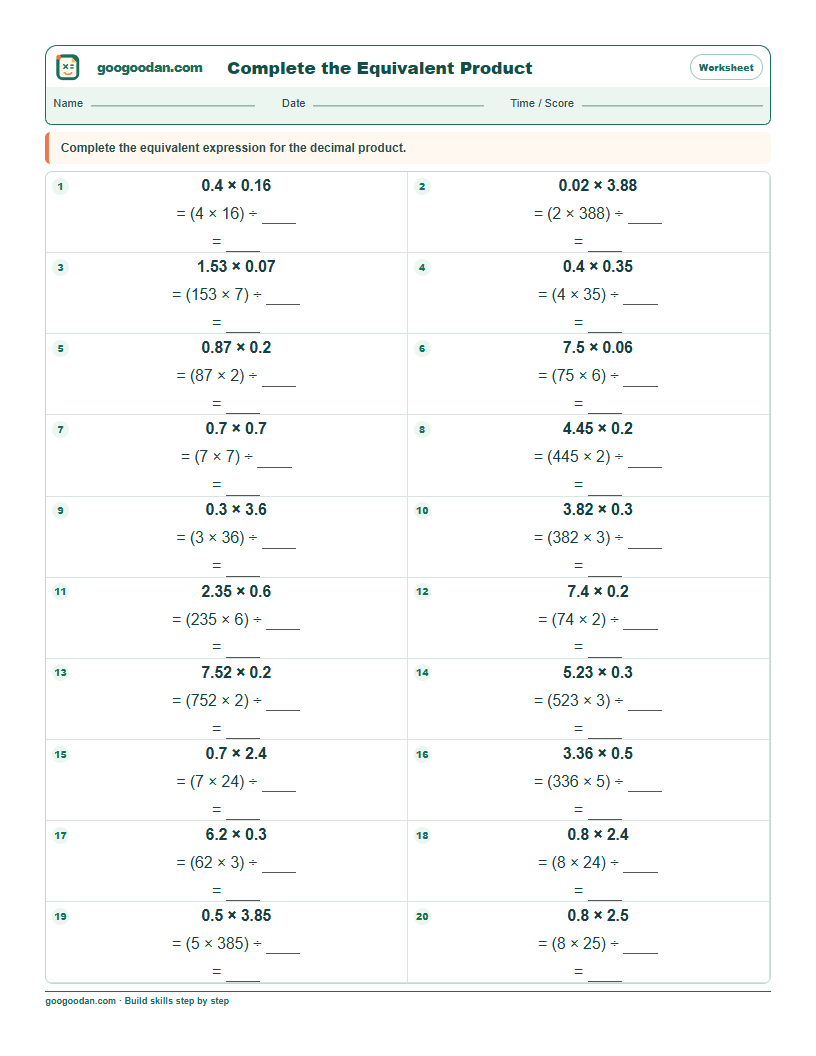
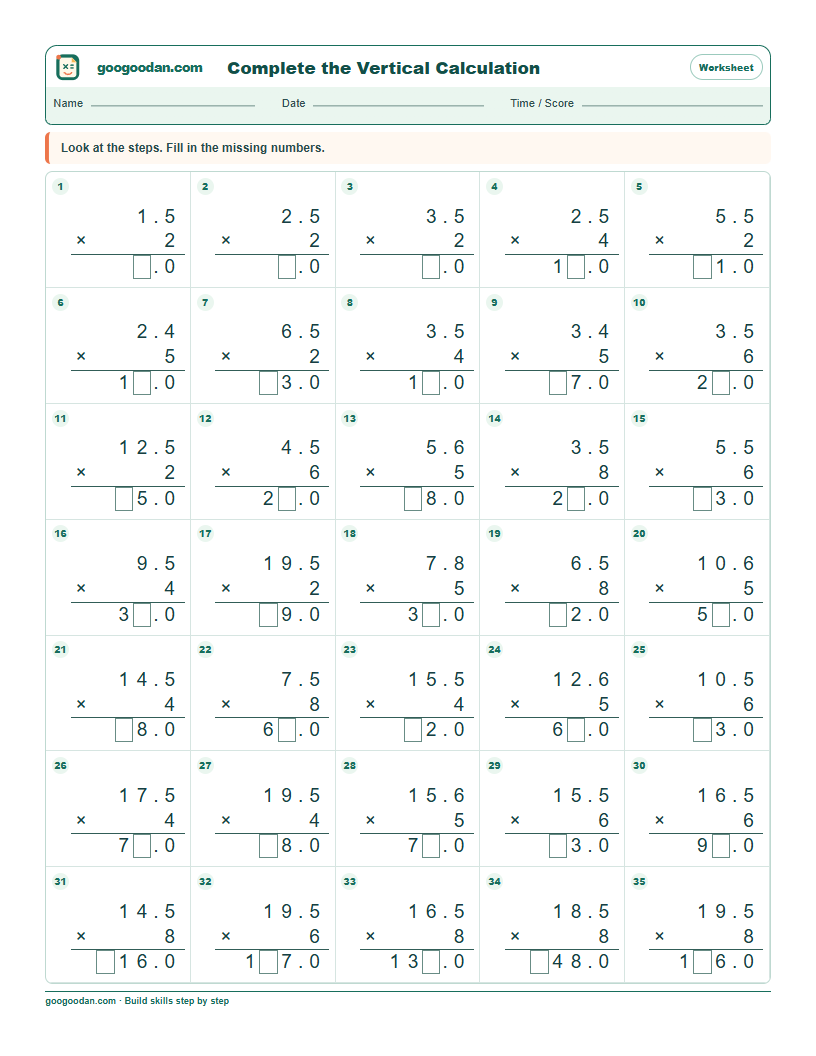
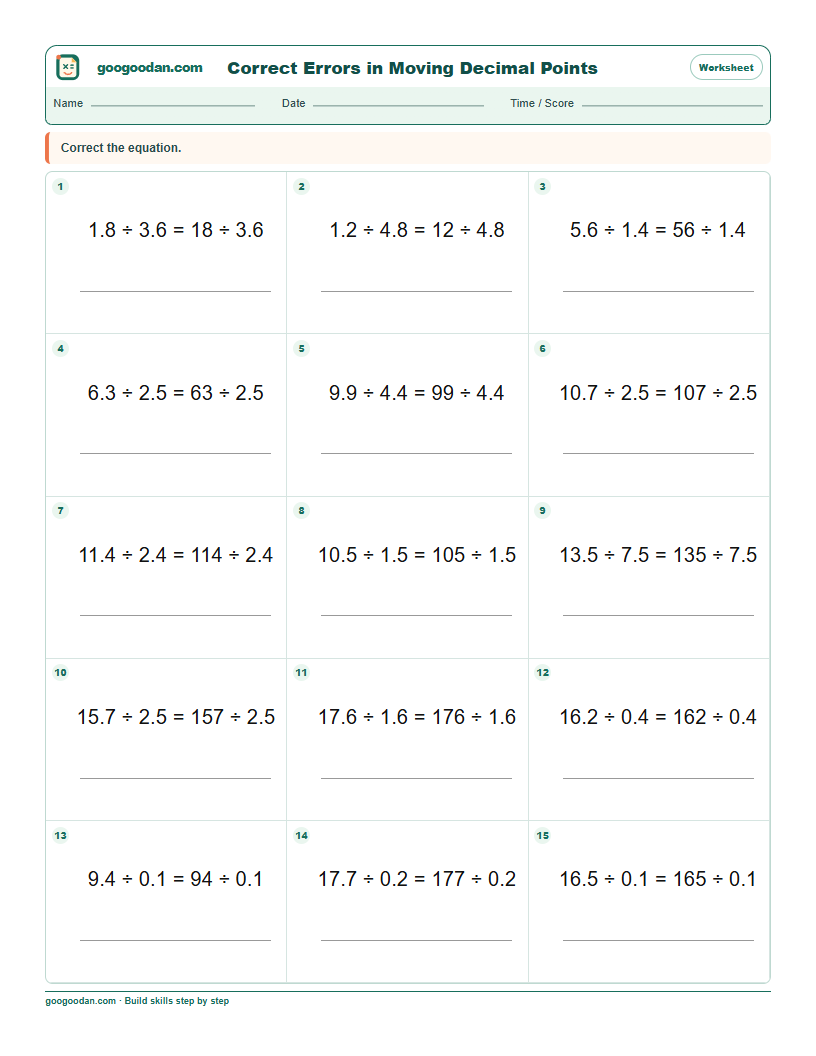
Multiplying and dividing decimals
More worksheet collections
- Free Printable Maths Worksheets
- Times Tables Worksheets
- Addition and Subtraction Worksheets
- Multiplication and Division Worksheets
- Fractions and Decimals Worksheets
- Shape Worksheets for Primary Maths Practice
- Measurement Worksheets for Primary Maths Practice
- Reception Maths Worksheets: Counting and Number Facts
Choosing a Key Stage 2 worksheet
Key Stage 2 includes a wide range of arithmetic and problem-solving work, so select a sheet by the skill currently being practised rather than by age alone. A pupil who is confident with number facts may still need a focused page on written multiplication, fractions or measurement. Use the section headings and worksheet titles to find the relevant representation and operation. Choose a familiar format first, then add a new feature such as regrouping, a larger number range or a missing value once the basic method is secure.
Plan a short practice session
Open the sheet before printing and read several questions to see what the learner must do. A page with many short calculations suits fluency practice; a page with a missing digit or a worded situation asks for more reasoning. Select Worksheet, Answer Key or both according to how the work will be checked. New Numbers refreshes the questions while keeping the same activity. For a longer session, divide the sheet into two short rounds and compare the working between them rather than treating speed as the only measure.
Connect a method to a problem
For example, use 24 x 13 to practise partitioning: 24 x 10 = 240 and 24 x 3 = 72, so the total is 312. The partial products make place value visible and provide a way to check a column method. In a short word problem, 24 books are placed on each of 13 shelves; the same multiplication applies because there are 13 equal groups of 24. Writing the operation before calculating helps distinguish this from a question that asks for sharing or subtraction.
Common slips to catch
Common slips include confusing multiplication with division in a story, failing to keep place values aligned and carrying out a remembered procedure without checking whether it fits the question. Ask the pupil to estimate first: 24 x 13 should be a little over 24 x 10, or 240. After solving, compare the answer with that estimate and use an inverse operation when possible. If a multi-step page is difficult, identify the first step that is unclear and choose a focused sheet for that part before returning to the larger task.