Year 3 Maths Worksheets
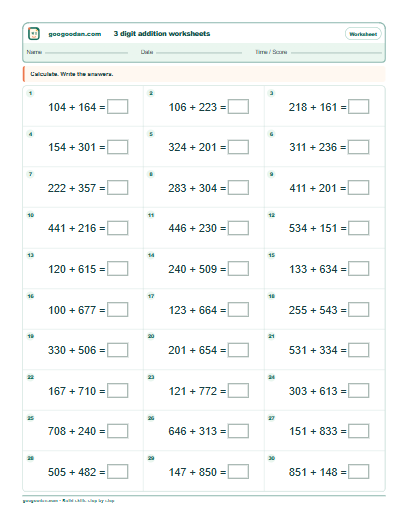
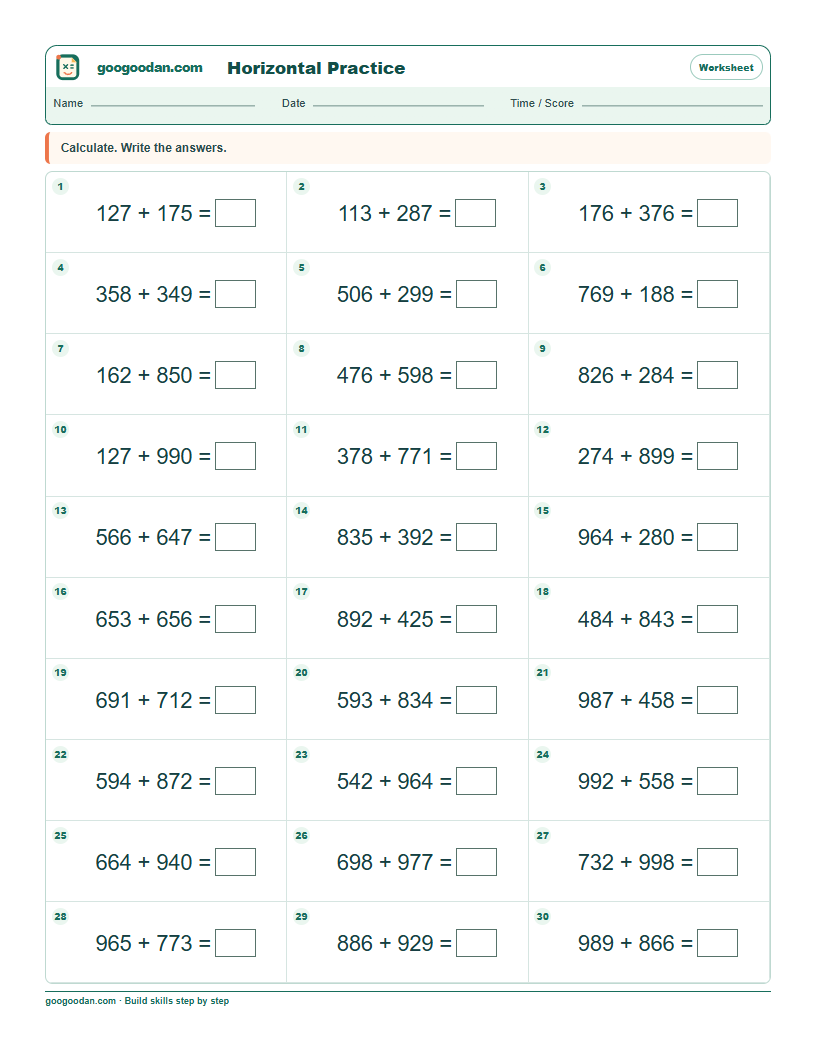
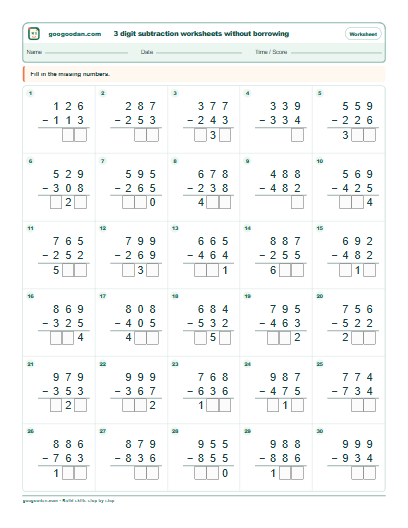
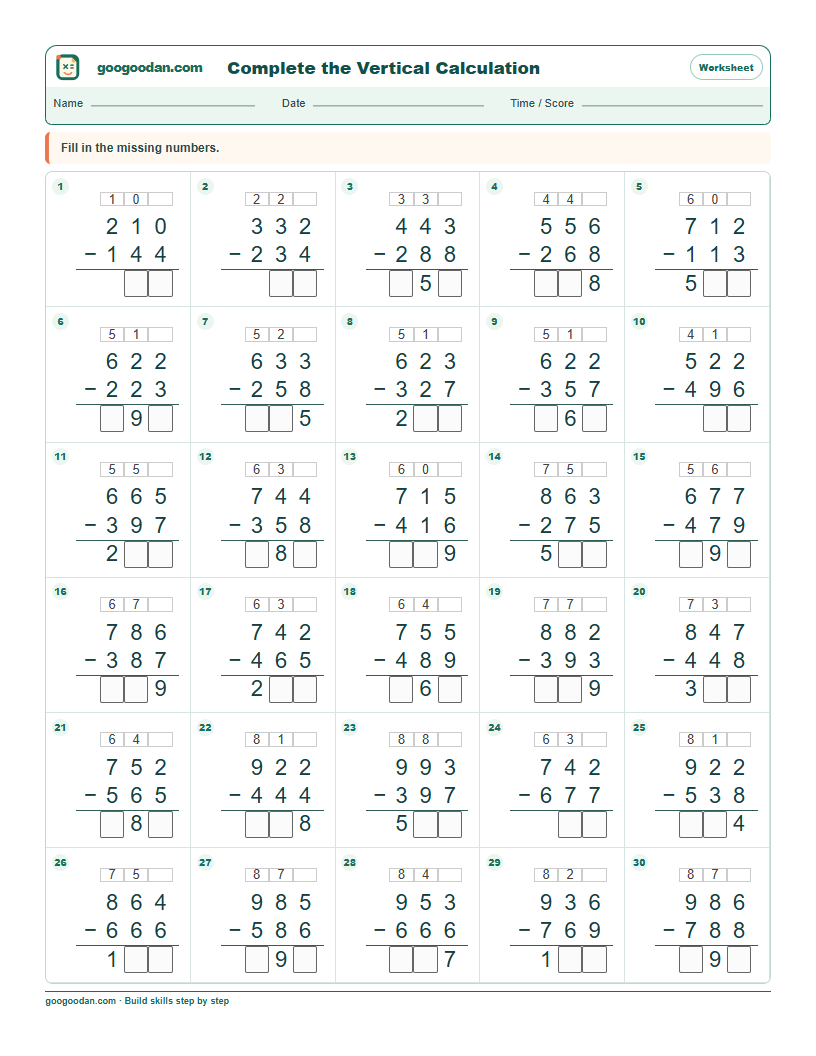
In Year 3, children add and subtract three-digit numbers, learn the facts for the 2, 3, 4, 5 and 10 times tables, and multiply two-digit numbers by one digit. The sheets below are grouped by those skills.
Open a sheet, press New Numbers for fresh questions and print the answer page on A4 paper to check. Other year levels are in Curriculum maths and Curriculum topics.
Add and subtract three-digit numbers
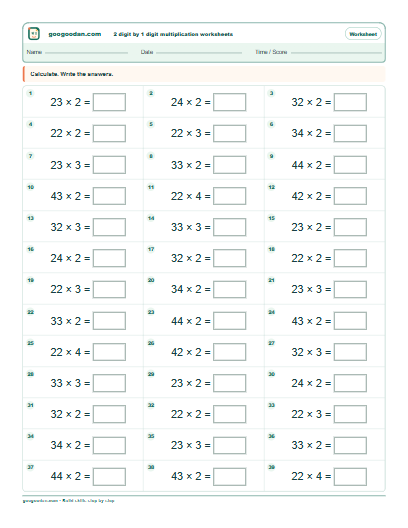
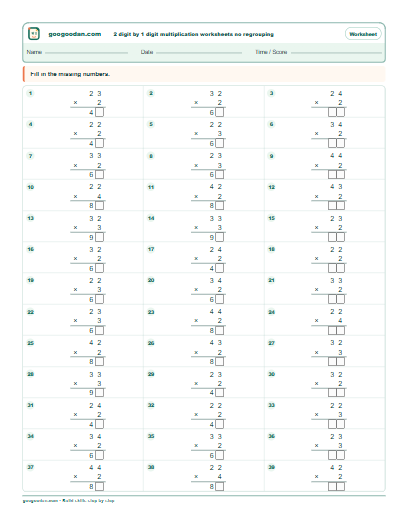
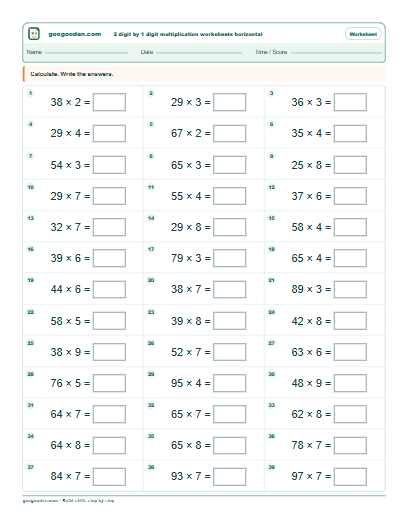
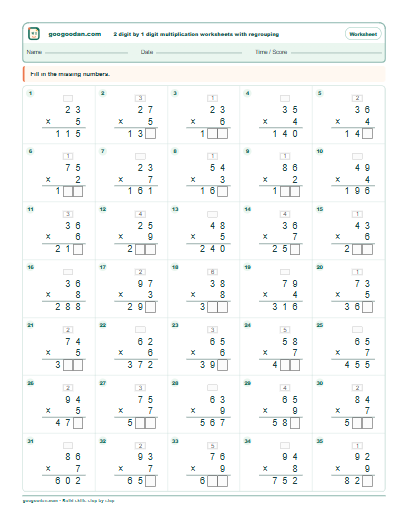
Multiply two digits by one digit
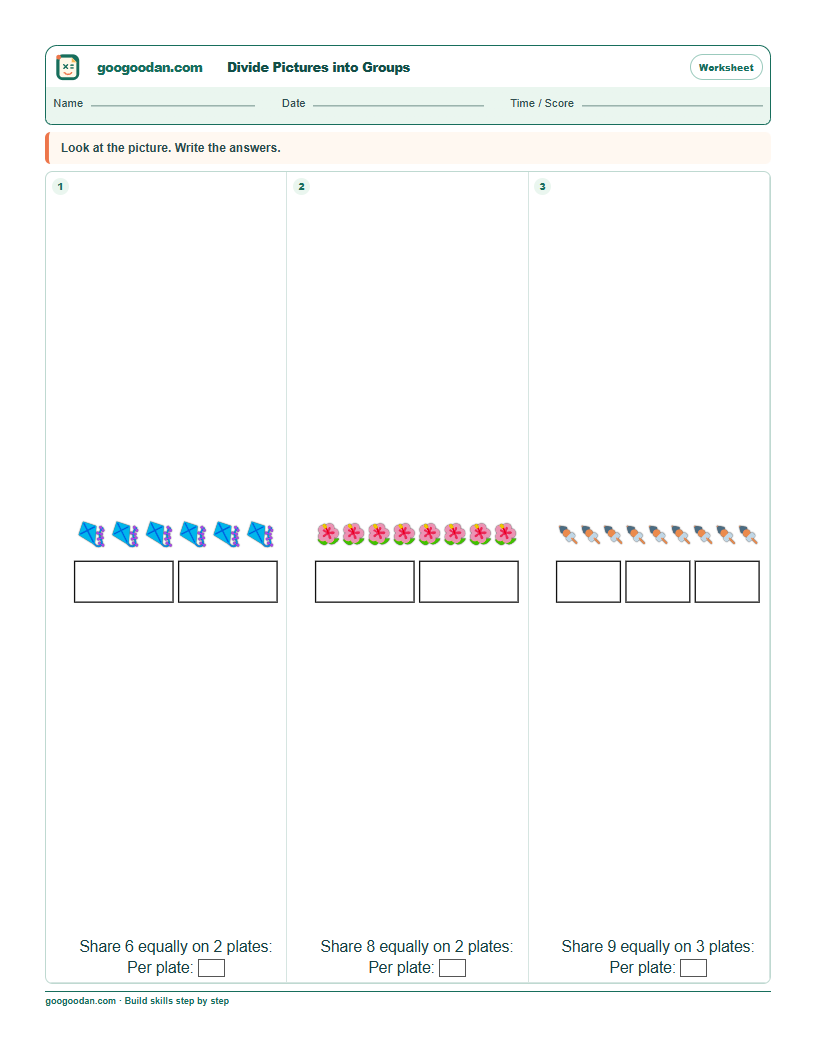
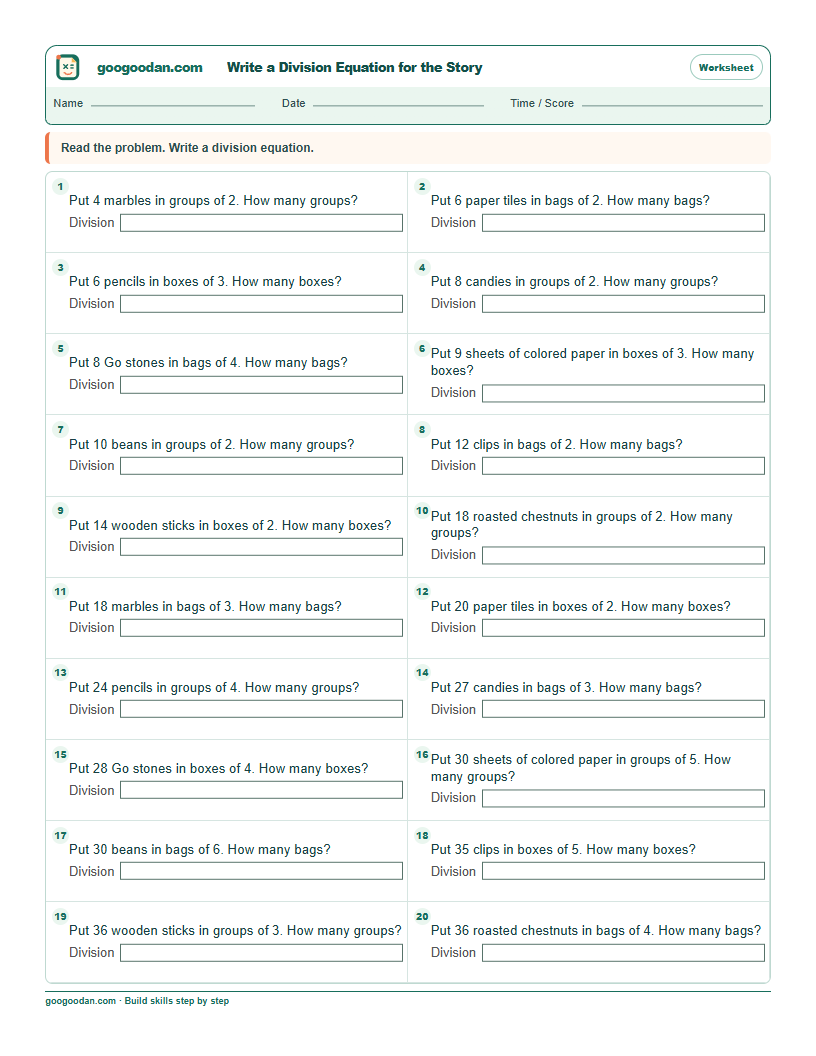
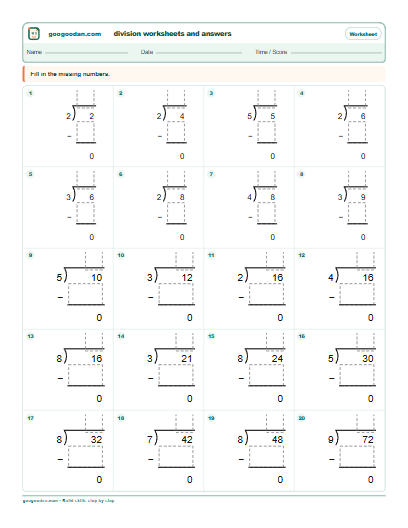
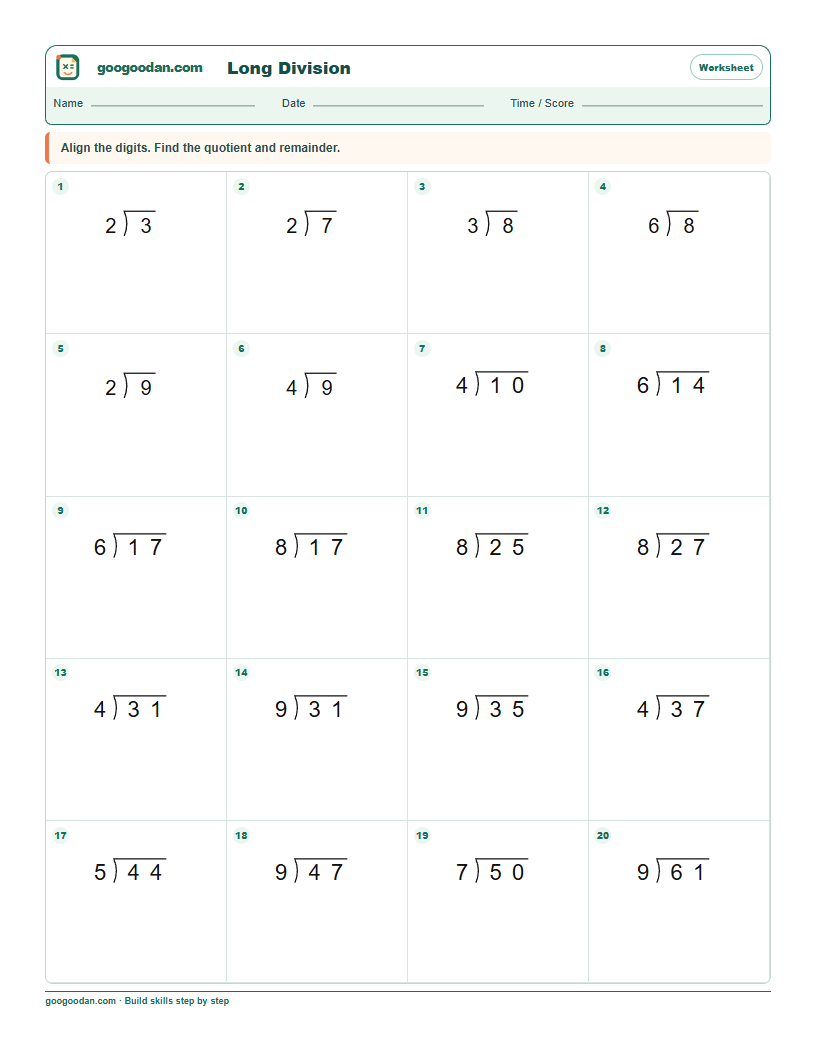
Division facts and equal sharing
Facts for 2, 3, 4, 5 and 10
Practise the facts on the times tables worksheets page.
More worksheet collections
- Free Printable Maths Worksheets
- Times Tables Worksheets
- Addition and Subtraction Worksheets
- Multiplication and Division Worksheets
- Fractions and Decimals Worksheets
- Shape Worksheets for Primary Maths Practice
- Measurement Worksheets for Primary Maths Practice
- Foundation Maths Worksheets: Counting and Number Facts
Choose a focused Year 3 practice sheet
This page groups printable practice around the skills shown in its sections, including three-digit addition and subtraction, multiplication, division facts and equal sharing. Choose one section that matches the current goal, then open a worksheet from that group. The title helps distinguish a question format from another sheet on the same broad topic. Keeping one target in view makes it easier to see whether the learner understands the method or needs another example.
Try a question with visible working
For a three-digit addition such as 246 + 135, align hundreds, tens and ones. Add the ones to get 11, write 1 and regroup 1 ten. Add the tens, including that regrouped ten, then add the hundreds. For a multiplication fact such as 4 × 6, think of four groups of six or add 6 four times; both give 24. These examples make place value and equal groups visible before the learner works through a longer set independently.
Open a sheet, attempt the first few questions, and use New Numbers if another set would help. Choose Worksheet, Answer Key or both before printing. Compare answers only after an attempt, and keep written working so a missed regroup or copied digit can be found. If the worksheet uses division facts or sharing, check that the groups are equal and that every item has been counted once.
Common slips
In column calculations, placing a digit in the wrong column changes its value even if the arithmetic is otherwise correct. In multiplication, confusing the number of groups with the amount in each group can reverse the interpretation, though the product may happen to be the same. For division or sharing, count what remains after making equal groups. Use multiplication to check a division fact: divisor times quotient should equal the total when there is no remainder.
Use the linked year and topic pages when a different kind of sheet is needed. Stay with the current page if the same step still causes trouble; change the question format only when the learner can describe the method. The answer key is a checking tool, and one explained correction is often more useful than quickly marking every line.